Sept. 21, 2023 www.investigatemidwest.org Midwest Center for Investigative Reporting
Pork checkoff doles out $17M in ag research in last decade
The National Pork Board might best be known for its past slogan about "the other white meat."
The NPB, started in the 1980s, is one of dozens of “checkoff” programs that help advertise agriculture commodities, such as milk and soybeans.
The funds collected through the checkoff also support university ag research. Investigate Midwest analyzed data on ag research funding at 41 land-grant universities, finding the pork board led with $17 million granted between 2012 and 2022. Iowa State University was the top recipient.
The pork checkoff is intended to represent the industry as a whole. Several critics, though, say it favors research that benefits large ag companies.
Research priorities come from producers and experts' guidance, an NPB spokesman said. A few researchers said they had heard the criticisms, but noted their findings could be applied to producers of all sizes.
One Iowa farmer said little of the NPB-backed research would help him. “I always get the feeling that everybody considers what our farm does is not big enough or not anything to be concerned about.”
— Suzanne Behnke, digital editor
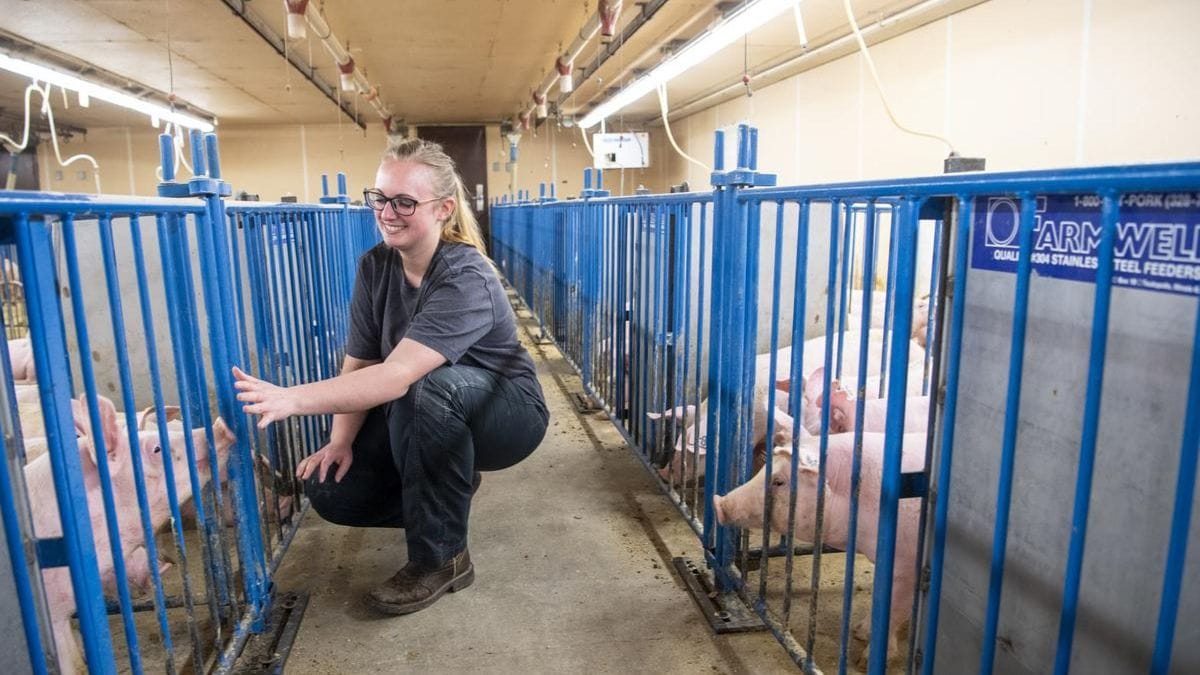
National Pork Board checkoff research has at times been criticized for prioritizing the industry’s biggest players. In 1999, a federal investigation found the checkoff had only been awarding grants to the National Pork Producers Council, a lobbying organization that represents the largest producers.
Read more.
GRAPHIC: Number of agricultural fatalities has decreased, but industry remains dangerous
By Sky Chadde, Investigate Midwest
The agriculture industry remains one of the most dangerous in America. Across all industries, there were about 3.6 deaths per 100,000 workers in 2021.
Read more.
Opinion: Score one for the rusty patch bumblebee
By Dave Dickey, Columnist
In his latest column, Dave Dickey tackles the plight of a beleaguered bee and the Endangered Species Act. He writes:
"ESA status should have triggered a timely scientific appraisal assessing whether rusty bees should receive critical habitat status, which would provide the little critters additional protection. Legally, Fish and Wildlife Service was required to determine critical habitat status by 2019 but crickets – nothing doing."
Read more.
What summer interns learned and reported
Three interns joined Investigate Midwest this summer. They departed in August and are continuing their studies. They were:
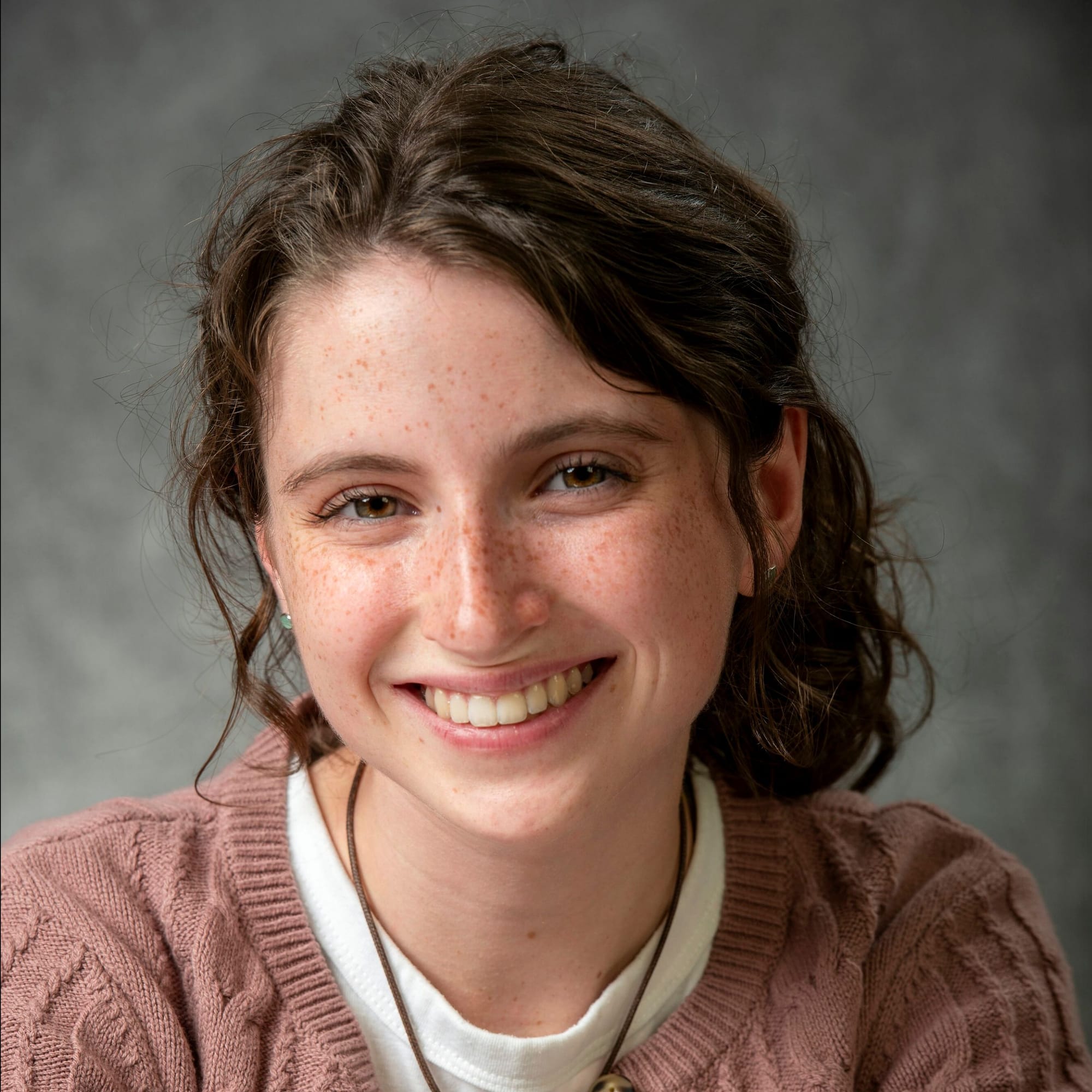
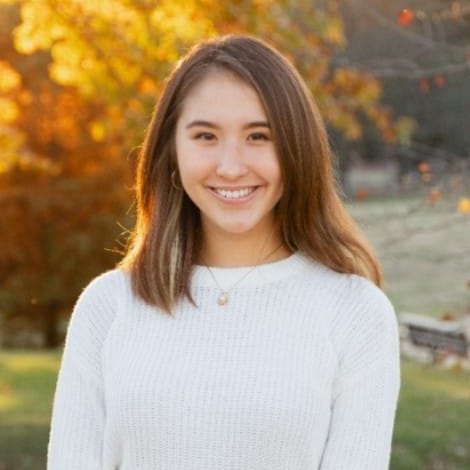
Talia Duffy of the University of Illinois-Champaign. She focused on an investigation into National Pork Board grants to land-grant universities' agriculture colleges. Duffy was a Gary Marx Journalism Fund intern.
"As a summer intern at Investigate Midwest, I had the opportunity to create something real. We were given the same responsibilites and respect as a full-time reporter, and we also got the support we needed along the way. It was a truly valuable experience."
Ava Mandoli of Northwestern University. She focused on the decrease of prairie land in the U.S., and how it is affecting native species, such as the Iowa skipper butterfly, and a story on several court cases that allege employers favor foreign H-2A farmworkers over U.S. workers. Mandoli was a Dow Jones News Fund intern.
"My internship taught me so much about the region of the U.S. I've always called home. Investigate Midwest's rigorous research, fact-checking and editing processes absolutely have made me a better journalist. I'm thankful to have had the opportunity to tell important, yet often overlooked, stories about the Midwest."
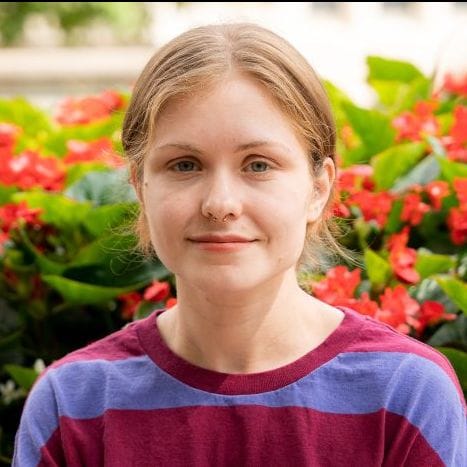
Ryan Murphy of the Arnolt Center for Investigative Journalism at Indiana University. She focused on an investigation into how some banned employers "reinvent" themselves and continue working in the H-2A visa program. Murphy was a Gary Marx Journalism Fund intern.
"Interning with Investigate Midwest was an invaluable experience. I am a stronger reporter because of the incredible mentorship and support I received from the team."