“With how many people seem to get cancer in our community, you just assume you will get it, also.”
— Lisa Lawler,
resident of Hardin County, Iowa,
breast cancer survivor

Pesticide use and cancer risk rise together across America’s heartland
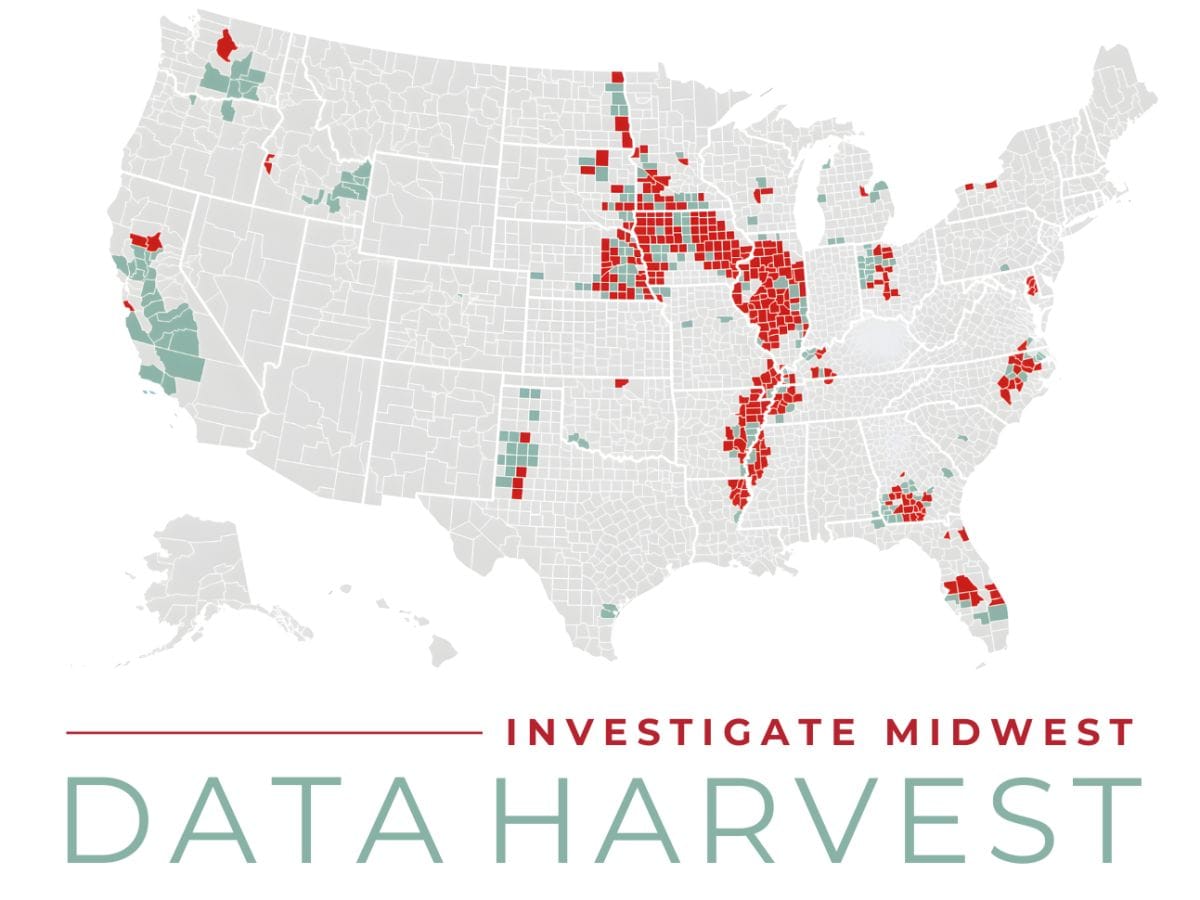
The majority of counties that use the most pesticides also have cancer rates above the national average.
That’s according to an analysis of data from the U.S. Geological Survey and the National Cancer Institute, and the focus of this week’s feature story.
Last year, Investigate Midwest, in partnership with the University of Missouri, investigated the link between agrichemicals and cancer in Missouri. This week’s story builds on that reporting to look at the link nationwide.
“With how many people seem to get cancer in our community, you just assume you will get it also,” said Lisa Lawler, a Hardin County, Iowa resident and breast cancer survivor.
As scientific research has increasingly linked pesticide use to health issues, Investigate Midwest partnered with the Pulitzer Center’s StoryReach U.S. Fellowship to explore this emerging crisis spreading across the nation’s agricultural heartland.
This week’s story also includes an interactive map giving you the chance to compare pesticide use and cancer rates in your own community, as well as see where the highest rates are across the country.
— Ben Felder, editor-in-chief
Three charts to better understand the potential link between pesticides and cancer
By Ben Felder, Investigate Midwest
A majority of the top pesticide-using counties in the U.S. have cancer rates above the national average.
For years, pesticide users have claimed agrichemicals have caused cancer, along with other health complications. Courts have agreed, ruling against pesticide manufacturers multiple times.
Several scientific studies have also found links between cancer and pesticides, which can drift through the air or run off into nearby rivers and streams.
Most of these counties are in the heartland, especially in Iowa, Illinois and in the agricultural regions along the Mississippi River.

ICYMI: The risk of increasing
meat processing line speeds
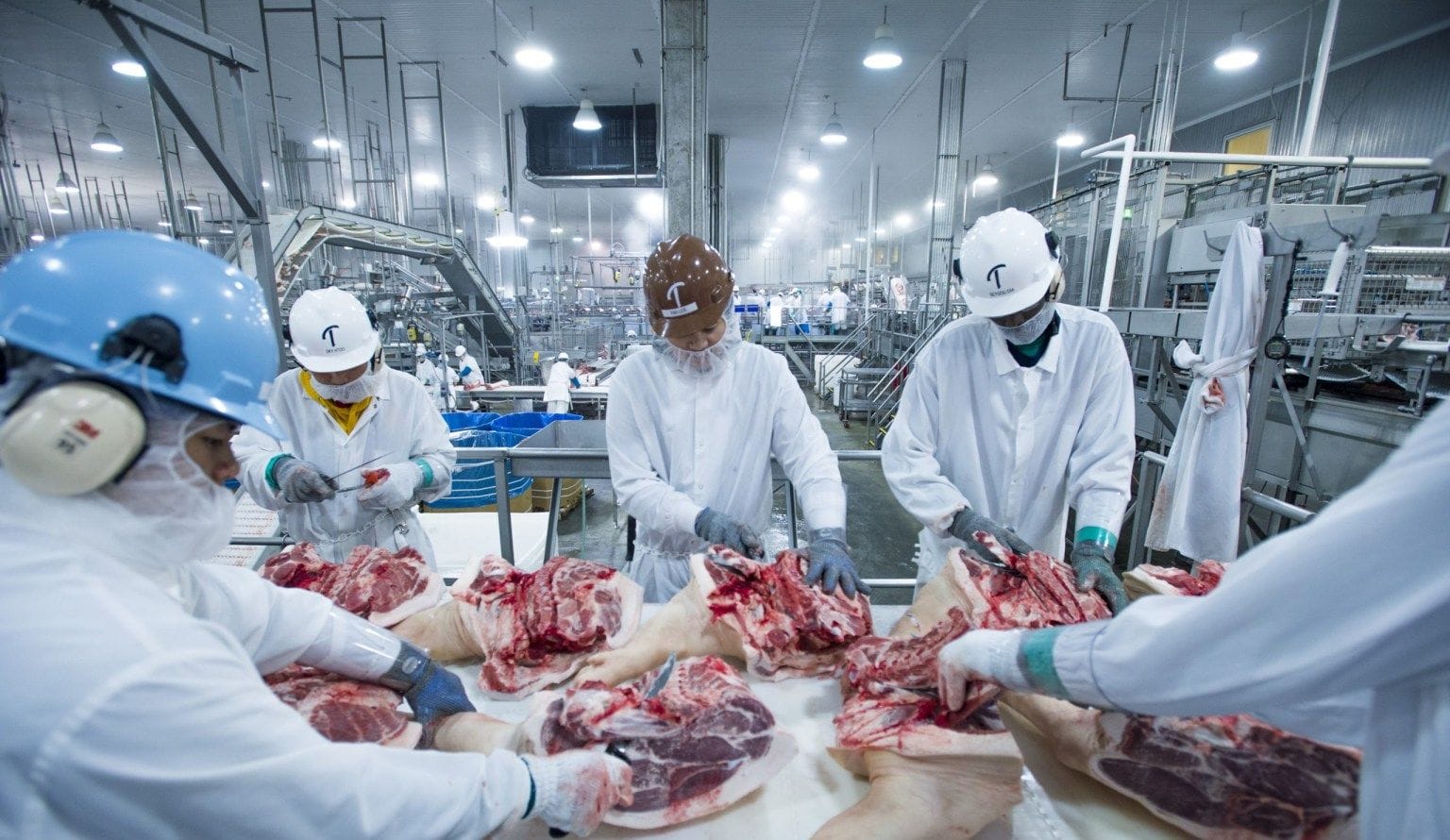
This week, the U.S. Department of Agriculture announced proposed changes that would allow pork and poultry plants operating under modern inspection systems to run at faster line speeds, arguing the move could lower food costs and strengthen the supply chain.
Last year, we reported on how faster line speeds, reduced federal inspection, and years of waivers and pilot programs have already reshaped conditions inside U.S. pork and poultry plants, with consequences for workers, food safety, and accountability.