Cotton’s new political moment meets decades of decline
Not to give away the plot but … something strange is happening online, and it turns out there are millions of dollars and federal policy behind it.
Cotton, of all things, is having a moment on Tiktok. Videos warning about polyester, microplastics and “toxic” clothing have helped turn natural fibers into a growing social media movement.
As summer reporting intern Caspar Dowdy writes in this week’s story, online searches for natural fibers have more than doubled, while hashtags like #antipolyester have attracted a growing audience looking more closely at what their clothes are made of.
Look beyond the hashtags, though, and a larger story emerges: one of cotton spilling into political debates over trade, tariffs, and a Trump-era push for domestic manufacturing.
The Trump administration has embraced the cause, with Agriculture Secretary Brooke Rollins and Health and Human Services Secretary Robert F. Kennedy Jr. promoting American-grown cotton and a “Plant Not Plastic” campaign. The USDA’s “Great American Cotton Plan,” announced earlier this year, promises to revive cotton farming and domestic textile manufacturing.
And there’s money in the mix. The National Cotton Council, the industry group behind that campaign, spent more than $1 million on political donations during the 2024 election cycle, its highest total on record.
That’s only part of it. Read on to see how Caspar traces the federal spending, political influence and unlikely alliances between MAHA and the cotton industry, and asks whether renewed attention can actually reverse decades of decline.
— Lauren Cross, assitstant editor & audience manager

DATA HARVEST: Report — Big Food companies regularly sue to stop or slow down public health policies
By Sky Chadde, Investigate Midwest
Companies such as Coca-Cola, PepsiCo and Mars have regularly sued governments around the world in an effort to prevent public health proposals from being implemented, according to new reporting by Lighthouse Reports and a slew of media partners.
Diets full of ultraprocessed foods — such as fast food, cereals, soft drinks and protein bars — have been linked to poor health outcomes. Governments around the globe have responded by adding warning labels on packages and placing restrictions on marketing.
To fight back, food companies have sued 239 times between 2010 and 2025, according to Lighthouse Reports’ investigation. The analysis examined lawsuits in six countries, including the U.S., Britain and India.
ICYMI: The broken pomise of hemp fiber as a cash crop
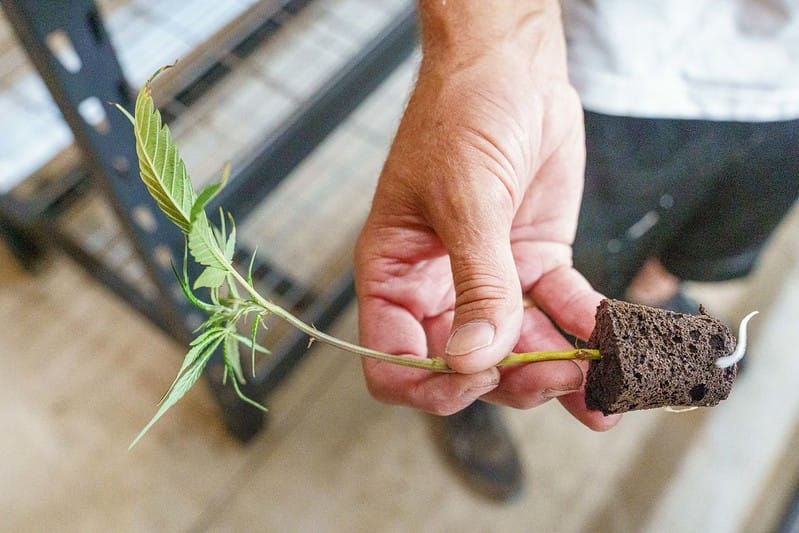
This April 2025 Data Harvest examines fiber hemp, a crop scientists are exploring to help absorb toxic chemicals in soil. However, fiber hemp has yet to become the promising cash crop that it was projected to be in 2021 as revenue dropped 73% by 2024 – despite farmers selling 59.1 million pounds, a 114% increase from 2021.
Connect with us on social media!