Small producers ‘at the mercy of the big guys’
More than a century ago, Upton Sinclair’s “The Jungle" exposed the dark side of the consolidated meatpacking industry, helping spur the landmark Packers and Stockyards Act of 1921.
Today, North Dakota rancher Cory Hart describes a similar imbalance, with four companies controlling about 85% of the U.S. beef supply and independent producers “at the mercy of the big guys.”
Our latest story examines how that market concentration has persisted. While the Trump administration campaigned on investigating price-fixing and collusion, the Department of Justice’s antitrust division has seen a 20% drop in staff and key USDA enforcement offices have lost personnel and faced budget cuts.
Past investigations often ended in fines or settlement, not meaningful change. This story looks at how consolidation has continued, why enforcement has struggled to keep pace and what that means for ranchers, consumers and competition in the beef industry.
— Lauren Cross, assistant editor & audience engagement manager
Fertilizer prices are rising. What’s changing on your farm?
Rising fuel and fertilizer costs tied to the war in Iran are shaping farm decisions this season. Our Iowa-based reporter, Mónica Cordero, wants to hear from Midwest farmers.

DATA HARVEST: Fewer feedlots, more control
By Juan Vassallo, Investigate Midwest
Just 82 mega-feedlots now handle about 35% of U.S. cattle sent to slaughter, a sharp shift from the 1990s. As smaller operations disappear, new data shows how consolidation is reshaping who sells cattle and who sets the terms.
ICYMI: Walmart’s move into beef
By John McCracken, Investigate Midwest
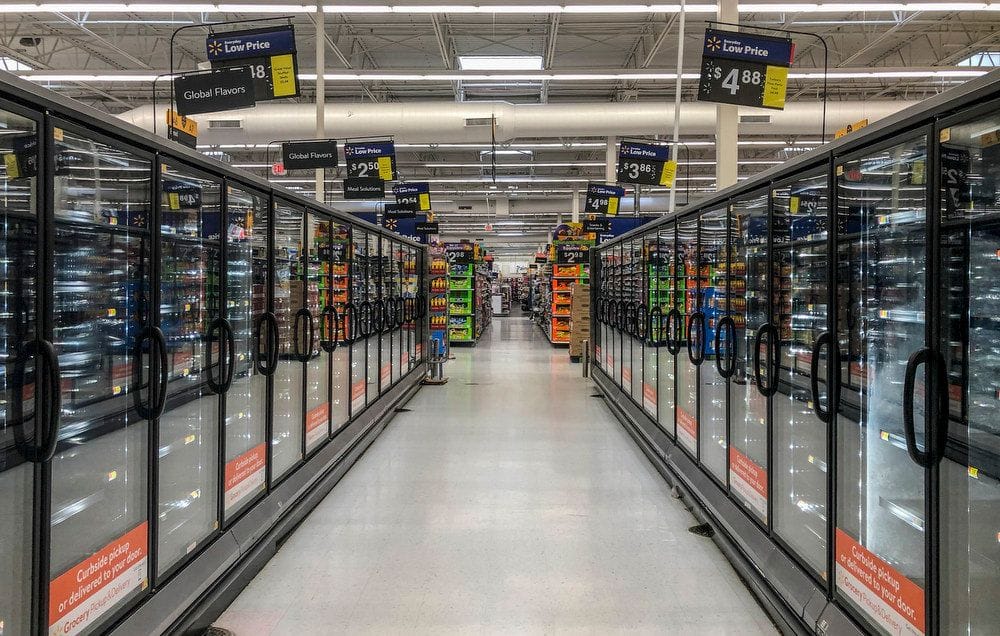
This October 2025 investigation examined Walmart’s expansion into the beef industry and what it could mean for ranchers.
Producers noted the potential short-term gains of better pricing as Walmart bids against the other beef giants, but agricultural experts warned the nation’s already stunted beef industry could be falling under more corporate control.

News from trusted media partners
A look behind the scenes of what could be Google’s biggest test of carbon capture, Grist & Flatwater Free Press
Even when EPA finds a pesticide cancer risk, agency rarely requires warnings, The New Lede
Iowa’s high cancer rate linked to nitrate, pesticides, PFAs and radon, new report finds, Sentient Media
Connect with us on social media!
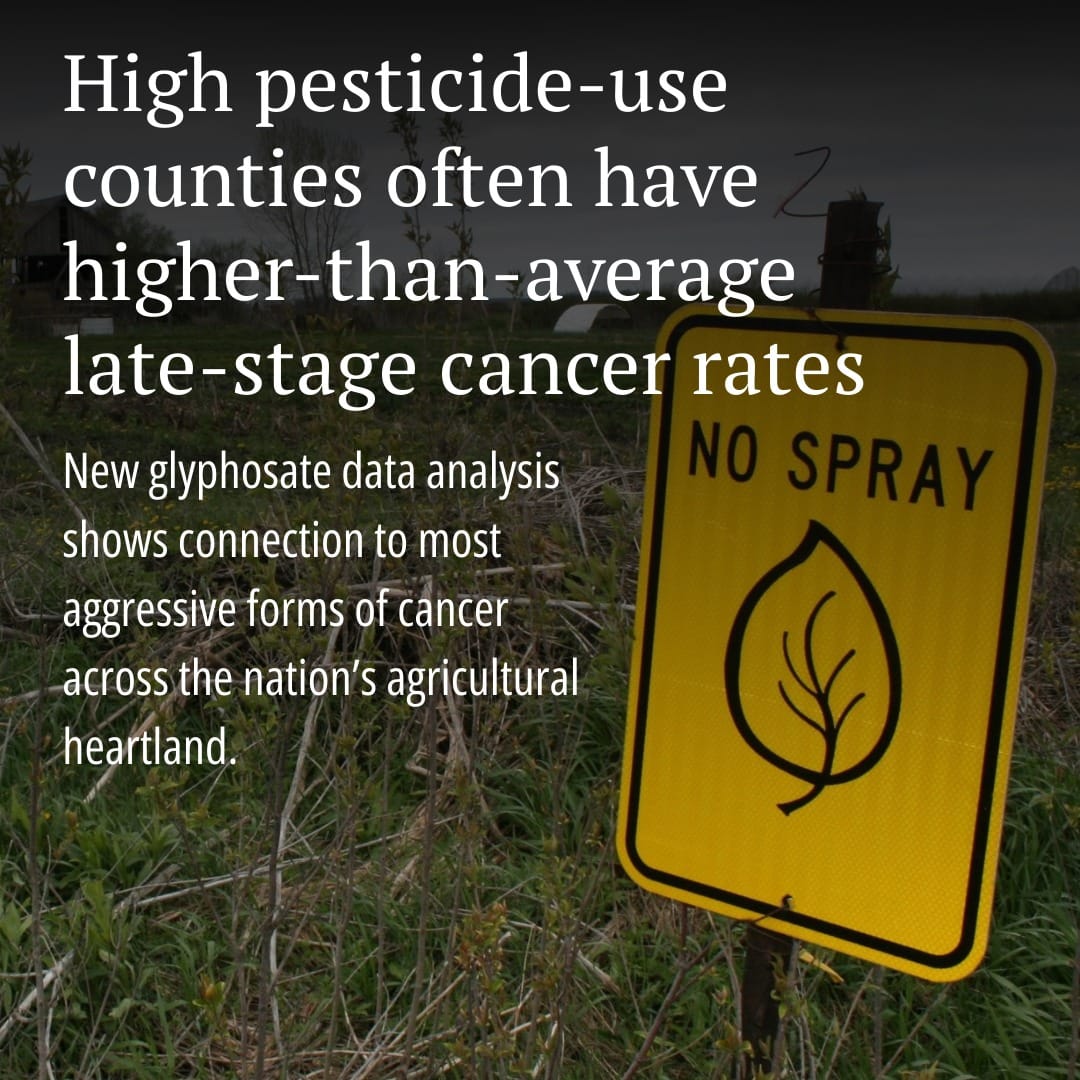
A new data analysis by @foodandwaterwatch found that 71% of counties with the highest glyphosate use have above-average rates of late-stage non-Hodgkin lymphoma. We mapped the data to show where those patterns appear in the U.S. Read + explore the map at the website link in our bio.