CAFO permits = a patchwork of regulation
Just one concentrated animal feeding operation, or CAFO, can produce millions of gallons of manure every year. The manure — specifically, the nitrogen, phosphorus and e. Coli present in the waste — poses a risk to the environment.
So why are only one-third of the largest CAFOs subject to Environmental Protection Agency regulation?
It mostly comes down to state enforcement of the federal rules for CAFOs. While some state agencies require EPA permits for the majority of CAFOs, other states, like Iowa, only enforce the bare minimum.
— Madison McVan, Investigate Midwest
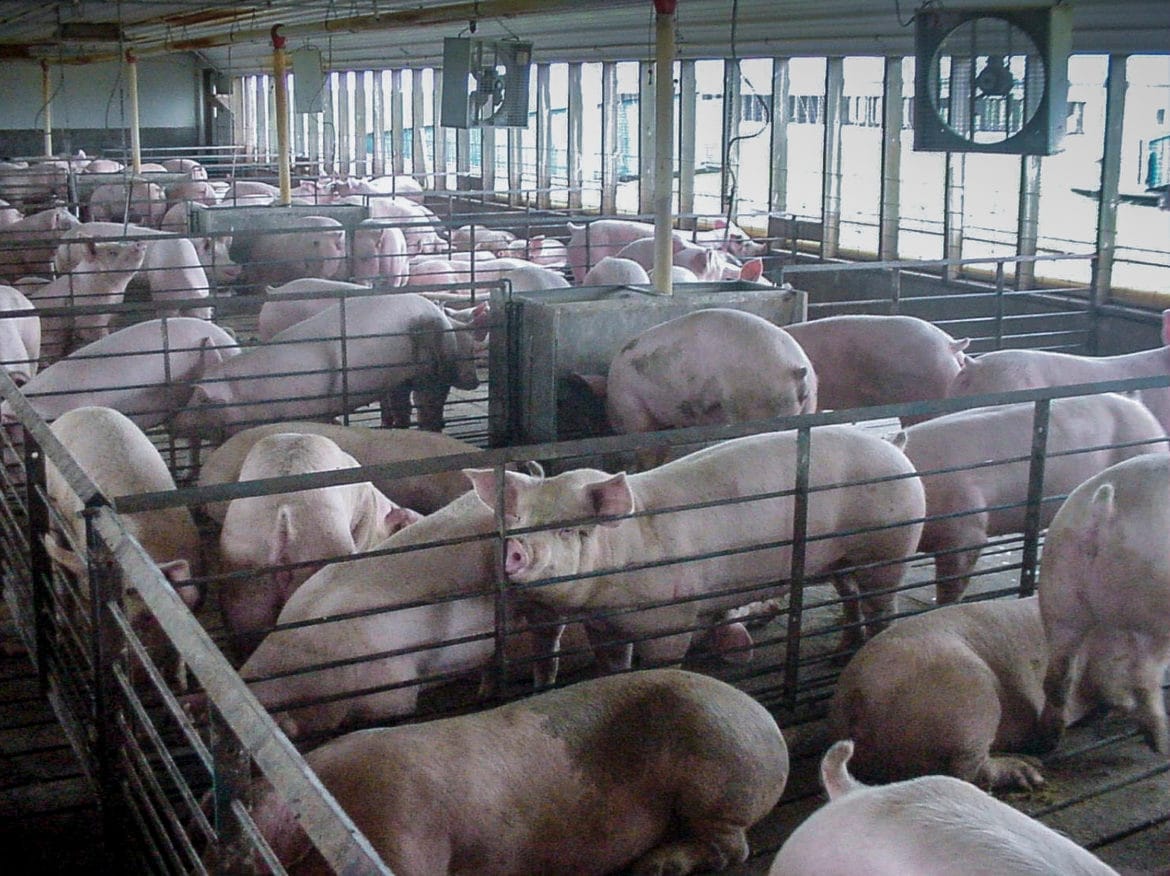
Large CAFOs are known polluters. Here's why EPA permits only cover one-third. | Madison McVan, Investigate Midwest
States are largely responsible for issuing the permits for concentrated animal feeding lots, but that has resulted in patchy oversight, despite CAFOs being known environmental dangers. Fewer than one-third of the country’s biggest livestock farms have EPA permits.
In some states with hundreds of large CAFOs, including Indiana, Idaho and Arkansas, zero facilities have a federal permit.
Large CAFOs are defined by the EPA as housing the equivalent of 700 dairy cattle, 2,500 swine or up to 125,000 chickens.
A single CAFO can produce millions of gallons of manure per year. When the waste enters waterways, the nitrogen and phosphorus present in the manure can make water dangerous to drink and produce harmful algae blooms.
Read more.
5 things to know about the new Labor Department complaint about child labor in meatpacking plants | Sky Chadde, Investigate Midwest
Packers Sanitation Services Inc., or PSSI, is a large maintenance company that cleans meatpacking plants for some of the largest meat companies in the U.S., including JBS and Tyson Foods.
Last week, the U.S. Department of Labor filed a complaint against PSSI for allegedly employing minors, some of whom suffered chemical burns from the cleaning supplies.
Read more.

Column: Will FDA new healthy guidelines make a difference? | Dave Dickey
Last month, the FDA woke up from its six-year slumber to announce new labeling guidelines defining "healthy." Now posted on the Federal Register, the proposed rule would require packaged/processed foods labeled as “healthy” to:
- Contain minimum amounts of food from one or more of the food groups or subgroups recommended by the Dietary Guidelines, like fruits, vegetables or dairy.
- Follow specific updated limits for certain nutrients, like saturated fat, sodium and a new standard for added sugars.
FDA also is developing a symbol that food manufactures can place on qualified healthy food products.
The question, Dave Dickey poses, is: But will it work?
Read more.
Year-end campaign: Third of the way to $15K
Today we want to share great news with you: Our year-end campaign is now at $5,424 as we head to our $15,000!
We know you get many emails asking for your year-end contribution, so here's why Investigate Midwest is different: We cover Big Ag corporations as a public service.
This is how the campaign works: Thanks to the NewsMatch program, your donations get doubled — up to $1,000 per individual. Investigate Midwest can receive up to $15,000 in matching funds, which means we can raise $30,000 through Dec. 31.
Help us meet our goal and bring you more accountability journalism. Thank you!