June 12, 2025 The Midwest Center For Investigative Reporting
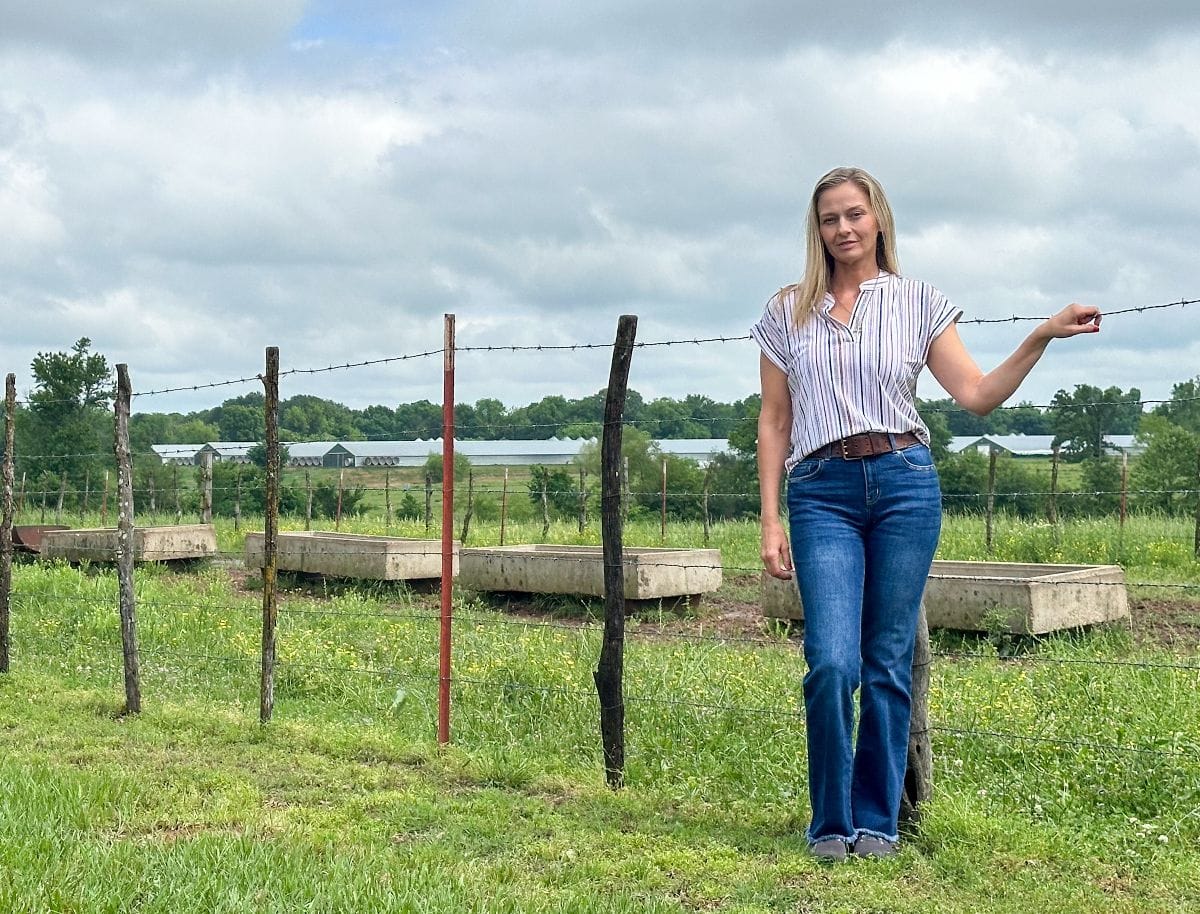
Tyson's thirst: How a poultry boom threatens a southeast Oklahoma aquifer
Southeast Oklahoma is a region in transition. This wooded corner of the state has experienced a recent tourism boom, accompanied by the construction of new cabins, many of which serve as vacation homes for families from Dallas and Oklahoma City.
However, this region is also experiencing a wave of new industrial poultry farms that raise millions of birds for Tyson Foods.
Poultry farm growth in other parts of the state have long raised concerns about water pollution, especially in the Illinois River watershed region of eastern Oklahoma.
But these new poultry farms in southeast Oklahoma sit atop the Antlers aquifer, and some residents are worried about the future of their primary water source.
This week’s feature story by Juan Vassallo investigates how industry-friendly laws and minimal state oversight have allowed companies like Tyson to operate with little accountability. A significant loophole, born from 1990s lobbying, allows most poultry operations to avoid water permits entirely by claiming "domestic use" — letting them draw more than twice the water of permitted agricultural users, with virtually no monitoring.
Oklahoma's water law is "designed to deplete the aquifer," a state official admitted. With one proposed mega-farm seeking 80 million gallons annually — enough for 730 households —, residents are desperately questioning how much more their water can bear before the wells truly run dry.
— Ben Felder, editor in chief

DATA HARVEST: H-2A visas for white South African workers have surged 1,300% since 2011
By Jennifer Bamberg, Investigate Midwest
Every year, hundreds of thousands of foreign workers come to the U.S. to fill temporary agricultural labor shortages through the H-2A program — a system first introduced in 1986 to address shortages in farmwork.
From 2011 to 2024, the use of the program grew more than 400%, with nearly 90% of visas going to workers from Mexico.
But the fastest-growing group is from South Africa – and predominantly white, according to private and federal lawsuits.
While South Africans consist of only 3% of the program, their numbers have climbed by 1,300% according to data from the State Department between 2011 and 2024, and the rate of increase far outpaces any other nationality.
The rapid rise has collided with legal scrutiny.
View the charts here.
OPINION: The dormant US Commerce Clause is again being litigated
By Dave Dickey, Columnist
All across the nation, states are busy writing laws banning the sale and or manufacture of cultivated meat produced directly from animal cells grown in bioreactors.
In 2022, the U.S. Food and Drug Administration greenlighted two companies — UPSIDE Foods and GOOD Meat — to sell cultivated chicken. The following year, USDA's Food and Inspection Service issued grants of inspections clearing the way for public sale.
Cattle producers have wasted no time in lobbying the federal government and their state legislatures to put a stop to the fledgling cultivated meat industry, citing concerns regarding potential competition and the possibility the public will not understand the difference between meat grown in a lab and conventional meat.
Read more here.
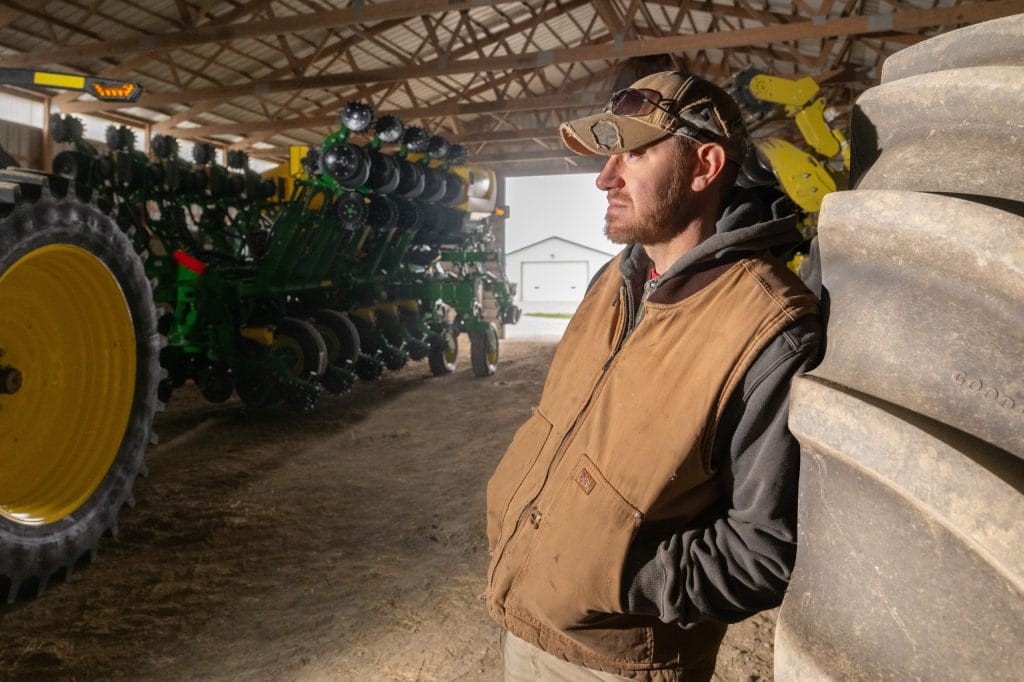
ICYMI: Farmers have clamored for the Right to Repair for years. It’s getting little traction in John Deere’s home state.
By Jennifer Bamberg, Investigate Midwest
With a federal judge now allowing a major antitrust lawsuit against John Deere to move forward, it’s worth revisiting Jennifer Bamberg’s past reporting on why right to repair still faces an uphill battle, even in Deere’s own backyard.
Investigate Midwest is an independent, nonprofit newsroom. Our mission is to serve the public as a watchdog over influential agricultural corporations and institutions through in-depth and data-driven investigative journalism.