Aug. 8, 2024 The Midwest Center For Investigative Reporting
Biosolid fertilizer is big business; some say it's a big polluter
Cities across the country have long converted wastewater sewage into fertilizer, a process that saves them money on landfill costs and some say is an environmentally friendly way to dispose of sewage sludge.
However, there are growing concerns that the chemicals found in biosolid fertilizers are polluting groundwater, contaminating crops and livestock, and increasing health risks for those who live nearby.
This story looks at the biosolid fertilizer industry and the company that is responsible for most of the fertilizer land application across the country. It also takes a closer look at the growing health and safety risks and how some towns, farmers and states are pushing back.
— Ben Felder, Oklahoma reporter

Fertilizer from human waste faces scrutiny but remains a profitable industry
By Ben Felder, Investigate Midwest
Walking through her wooded 38-acre donkey farm in central Oklahoma, Traywick suddenly found it hard to breathe as the air smelled “toxic” and “like death.”
Less than a mile away, a truck was spreading a chunky dark fertilizer on a hay farm, a familiar ritual in this rural community just beyond Oklahoma City’s northeast suburbs.
But this fertilizer was putting off a smell that Traywick had never encountered. She soon discovered the fertilizer was made from processed sewage.
Converting sewage to fertilizer saves cities money on landfill costs, is a cheaper nutrient-rich fertilizer for farmers, and has become a billion-dollar industry for a handful of companies. However, biosolid fertilizer has been shown to contain chemicals that can harm the environment and human health.
Read more.
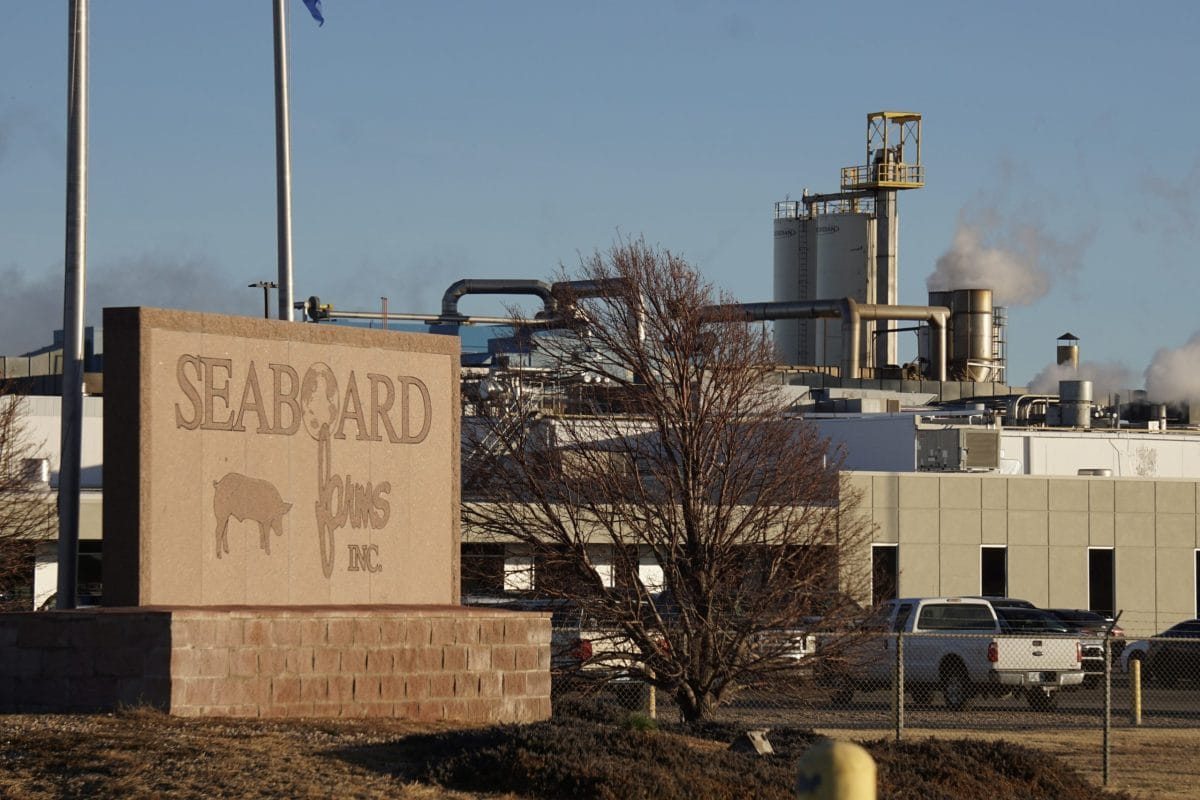
GRAPHIC: Hiring foreign visa workers skyrockets at meatpacking plants
By Sky Chadde, Investigate Midwest
The H-2B temporary visa has traditionally been used to fill labor shortages in seasonal industries, such landscaping, hospitality and food service. But the meatpacking industry has started to hire more and more workers through the program, according to U.S. Department of Labor data.
In 2015, just six meatpacking plants were granted H-2B visas by the federal government. Last year, the number was 44 — a six-fold increase.
View the graphic.
ICYMI: Residents of Wisconsin region struggle with aftereffects of dangerous ‘forever chemicals’
By John McCracken, Investigate Midwest
Note: Occasionally we will reshare a previous investigation from our archives. This story originally published in 2021.
Craig Koller grew up splashing through backyard creeks and biking gravel trails, sometimes through the Johnson Controls International Fire Technology Center. Black smoke wafted overhead as it conducted controlled burns to test firefighting foam, producing a dangerous “forever chemical” known as PFAS.
As a kid growing up in the northern Wisconsin port city of Marinette, Koller didn’t think much of being around the facility or drinking the city’s water.
“How would you have known? There’s no signs (at that time) saying, ‘Stay out: contamination,’” Koller, 32, said.
But Koller’s formative years in Marinette likely altered his life forever: Right after graduating from high school in 2007, he was diagnosed with testicular cancer.
The chemicals from the JCI facility contaminated the area’s drinking water. Polyfluoroalkyl substances, or PFAS, are found in products such as household cleaners, paint and firefighting foam that are linked to infertility in women, stunted developmental growth, and kidney and testicular cancers.
Read more here.
News from our partners
Minnesota Gov. Walz brings ag, biofuels background to Democratic ticket. By Chris Clayton, DTN/The Progressive Farmer
Vance has little background in ag policy, but he has rural root and a story. By Chris Clayton, DTV/Progressive Farmer
How disaster response endangers US farmworkers. By Jennie Durant, Grist
Plants and pollinators are increasingly out of sync. By Ayurella Horn-Muller, Grist
Investigate Midwest is an independent, nonprofit newsroom. Our mission is to serve the public as a watchdog over influential corporations and institutions through in-depth and data-driven investigative journalism.