“I’m going to say something that our attorney isn’t going to like. (The manager) has been trying to get rid of the maintenance company for quite some time.”
— David Frazelle,
ADM safety executive
New records reveal ADM plant safety gaps
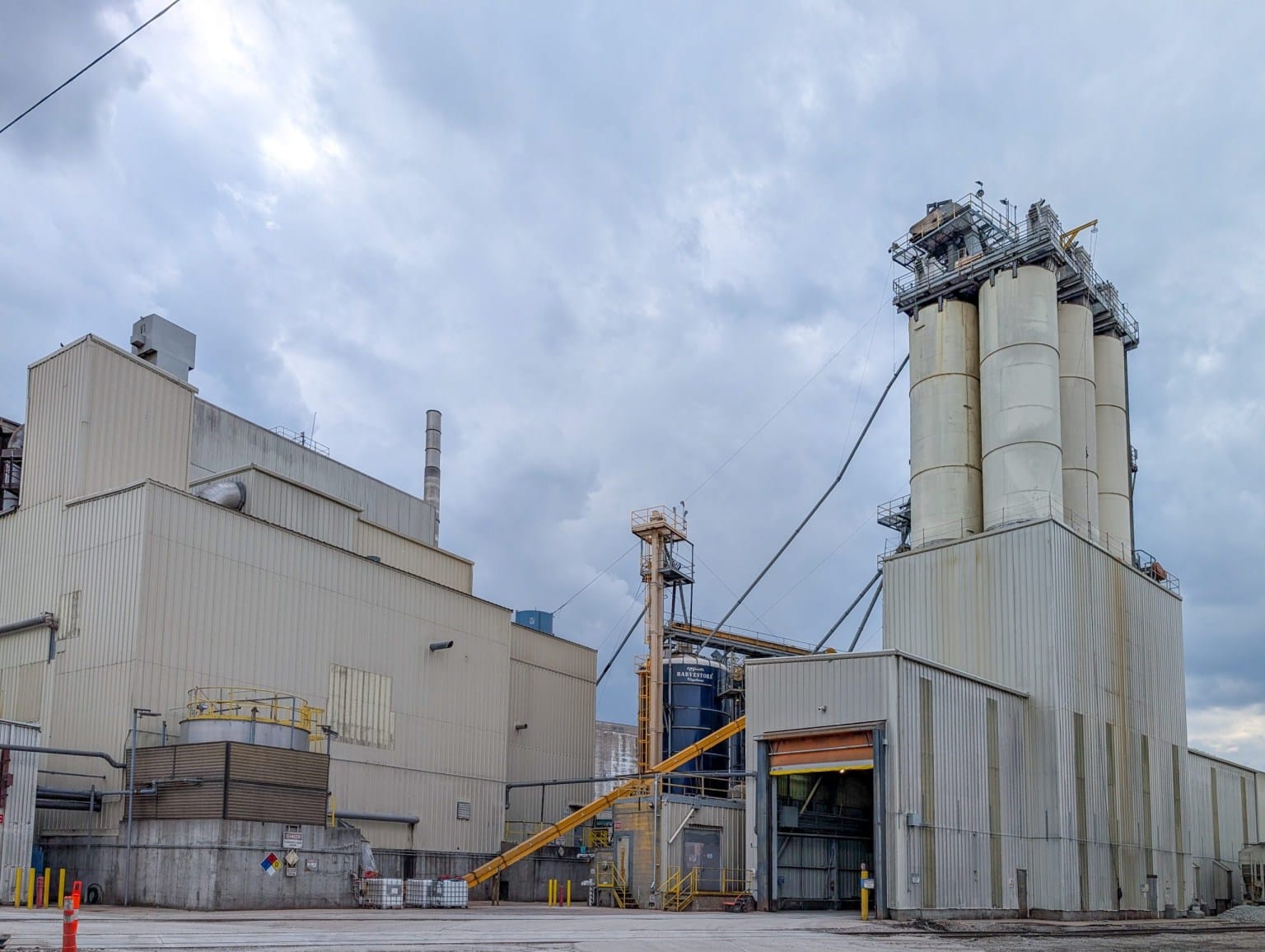
In 2022, a spark at the Archer Daniels Midland (ADM) grain plant in Fremont, Nebraska, ignited a fire that federal inspectors say “could have been a hell of a lot worse.” While no one was injured, new records obtained by Investigate Midwest reveal a startling lack of safety measures.
The investigation uncovered that dust — the fuel for catastrophic grain bin explosions — had accumulated to an inch thick in some areas, eight times the federal safety limit. Audio recordings from the OSHA investigation also show senior staff were unaware of basic federal grain dust standards, with the plant’s top manager describing housekeeping efficacy as “subjective.”
Senior reporter Sky Chadde has been investigating dust explosions at ADM facilities for the past year, including a deeply reported story last May that found the corporate giant failed to implement key safety measures. This week, Sky’s follow-up story provides further insight into the dangerous conditions.
— Ben Felder, editor-in-chief
DATA HARVEST: Increased pesticide use in Illinois is killing native oak trees
By Jennifer Bamberg, Investigate Midwest
While nearly the same amount of corn and soybean acres have been planted every year since the mid-1990s, the use of pesticides in Illinois has increased exponentially, according to USDA data.
And a 2024 study from the University of Illinois Urbana-Champaign indicates that the increase in pesticide use is causing significant damage to prairie grasses and trees across the state, particularly native oaks, hickory and box elders.
Researchers found a direct correlation between surrounding agriculture and damaged native vegetation. Field workers collected hundreds of leaf and soil samples at nearly 200 non-agricultural sites, like nature preserves, forests and wetlands, all within 10 kilometers of corn or soybean operations.
They found at least one agricultural chemical at 97% of the locations, and observed visual signs of damage at every site. Chemicals from row crop fields, which can drift and harm unintended targets nearby, were the culprit.
ICYMI: US meat consumption already on the rise
Yesterday’s shakeup of federal diet guidelines are steering Americans toward more red meat and dairy. But a recent Data Harvest by Ben Felder shows the U.S. was already increasing per-capita meat consumption, while Europe has spent the past decade, reducing intake in response to health risks and environmental pressures tied to climate change.