May 22, 2025 The Midwest Center For Investigative Reporting
Investigative report uncovers ADM's repeated safety failures
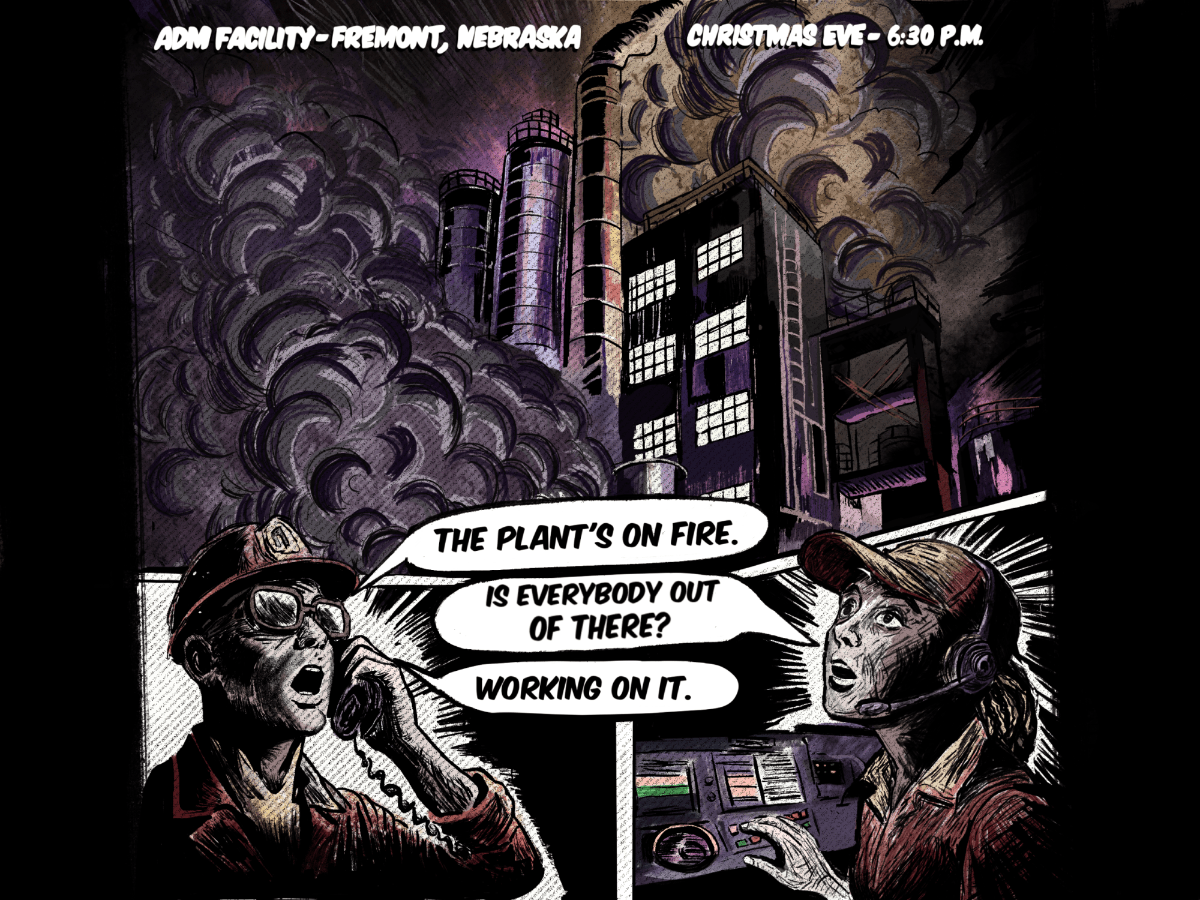
On Christmas Eve, 2022, a fire ripped through an Archer Daniels Midland (ADM) plant in Fremont, Nebraska, a vivid reminder of the danger within the heart of our food supply: explosive grain dust. This seemingly routine incident was, in fact, part of a disturbing pattern, as revealed by the latest story from Investigate Midwest.
Through meticulous review of federal and state records, senior reporter Sky Chadde reveals how ADM, a Fortune 500 company that processes grain, has consistently failed to prevent a series of grain dust explosions, despite being aware of the risks and having vast resources. Since 2018, ADM facilities have experienced eight such explosions, resulting in one death and 15 life-altering injuries to employees and first responders.
“The real, million-dollar question is, why didn’t they follow their own program?” said John Newquist, a former OSHA administrator who now trains companies on dust explosion prevention. “This is one of the 500 largest companies in the United States. They have everything to do it right. They have the money. They have the resources. There is no excuse for a big, billion-dollar company to have any dust explosions.”
Investigate Midwest’s mission is to serve the public as a watchdog over influential agricultural corporations, especially when powerful corporations would prefer they remain in the shadows. Our latest investigative piece does just that, exposing a critical public safety problem within one of America's largest agricultural companies.
— Ben Felder, editor in chief
DATA HARVEST: New screwworm threat halts cattle imports from Mexico, fueling beef supply worries
By Juan Vassallo, Investigate Midwest
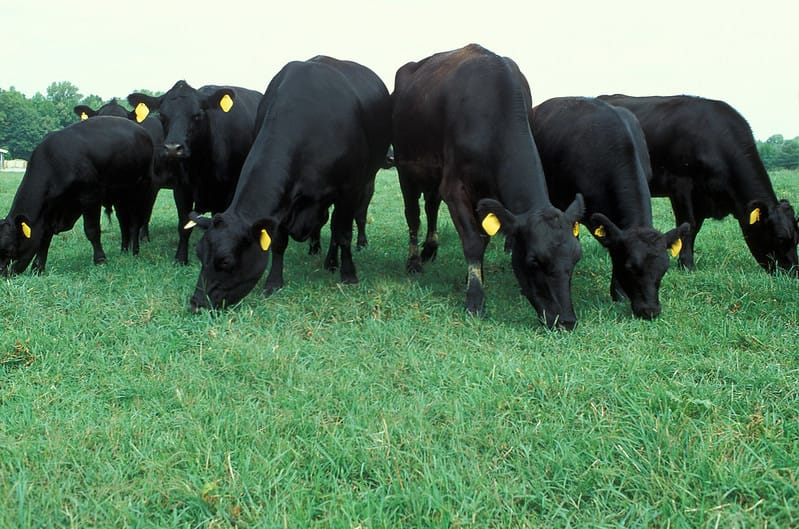
The number of cattle on U.S. farms has shrunk to its smallest size in more than 70 years. With a temporary halt on cattle imports from Mexico, the beef supply may tighten further, and prices are expected to rise heading into the summer grilling season.
Agriculture Secretary Brooke Rollins announced a pause on all cattle imports from Mexico on May 11, citing the detection of New World screwworm — a parasitic fly that lays eggs in open wounds, where larvae feed on living tissue and can kill livestock. (The Trump administration laid off hundreds of employees from the USDA agency responsible for keeping such pests out of the U.S., but is now attempting to rehire many of them, calling their work “vital”.)
It’s unclear how long the import ban will last, but a longstanding ban could further shrink the U.S. cattle supply chain.
Interact with the charts here.
ICYMI: What bird flu containment looks like behind the scenes
By John McCracken, Investigate Midwest
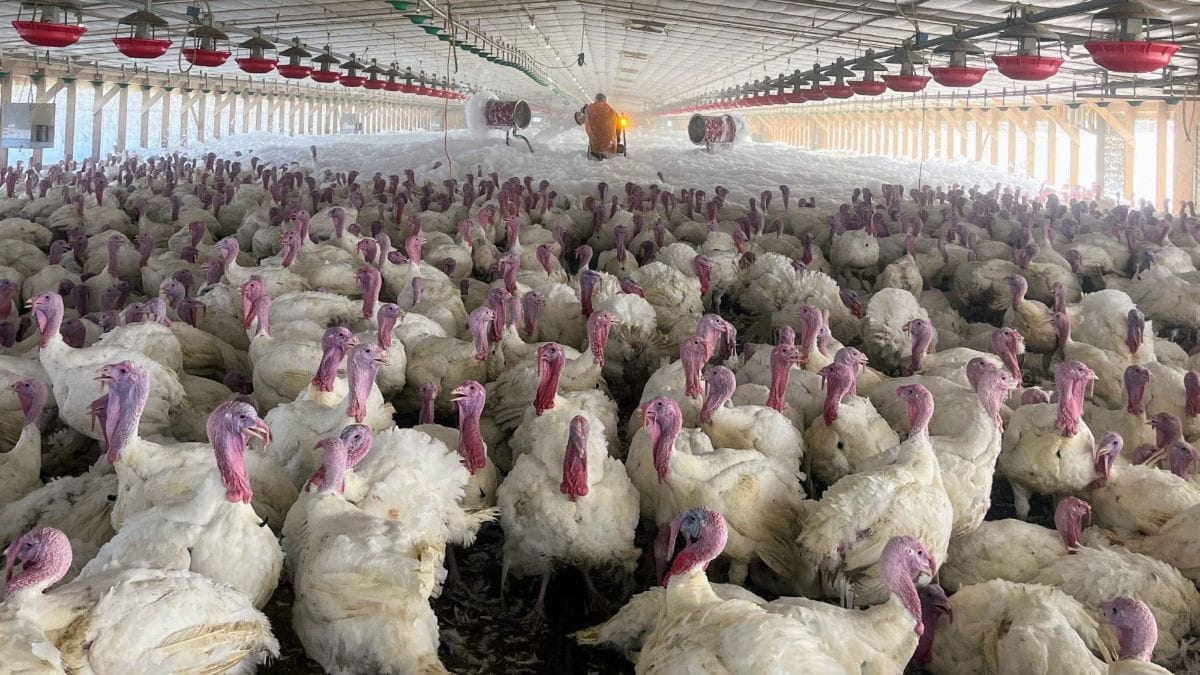
Reporter John McCracken went deep inside the U.S. bird flu response and found a grim reality: the U.S. government’s efforts to kill inflected poultry involved hiring private contractors that employed underage workers, multimillion-dollar federal contracts, and inhumane depopulation methods like ventilation shutdown plus.
The story also highlights the public health risks and lack of oversight affecting rural communities where mass disposals of dead birds took place.
Now’s the time to dive in: He’ll be speaking on a national panel today at 6:30 p.m. CST. Register for the free "Bird Flu: Politics & Preparation" panel here.
Read John's full story here.
Stories from our media partners
- Pesticide manufacturers ask lawmakers for immunity from lawsuits by sick farmers, , KWQC TV6 News
- Recruited with the promise of a US cultural exchange, graduates ended up trapped in a factory farm, Sentient
Investigate Midwest is an independent, nonprofit newsroom. Our mission is to serve the public as a watchdog over influential agricultural corporations and institutions through in-depth and data-driven investigative journalism.