July 13, 2023 www.investigatemidwest.org Midwest Center for Investigative Reporting
Five Wisconsin towns push back against plans for CAFOs
The Midwest landscape changed in the last 20 years with more CAFOs, aka concentrated animal feeding operations, going into operation.
These large animal farming operations can bring noise, odor and pollution, critics say. They use large amounts of water and produce large quantities of manure.
Farming groups and agribusinesses say the operations are more efficient and lower production costs. CAFOs also give farmers an option for expansion.
Investigate Midwest has reported on these facilities, such as how the EPA has spent 18 years doing little to measure air pollution from CAFOs. In this story, our colleagues at Wisconsin Watch detailed the efforts of five Wisconsin towns to regulate these operations.
“I don’t think anybody denies that agriculture is part of the problem — or has the potential to be part of the problem in pollution,” one local supervisor and farmer said to Wisconsin Watch.
Thanks for reading.
— Suzanne Behnke, digital editor
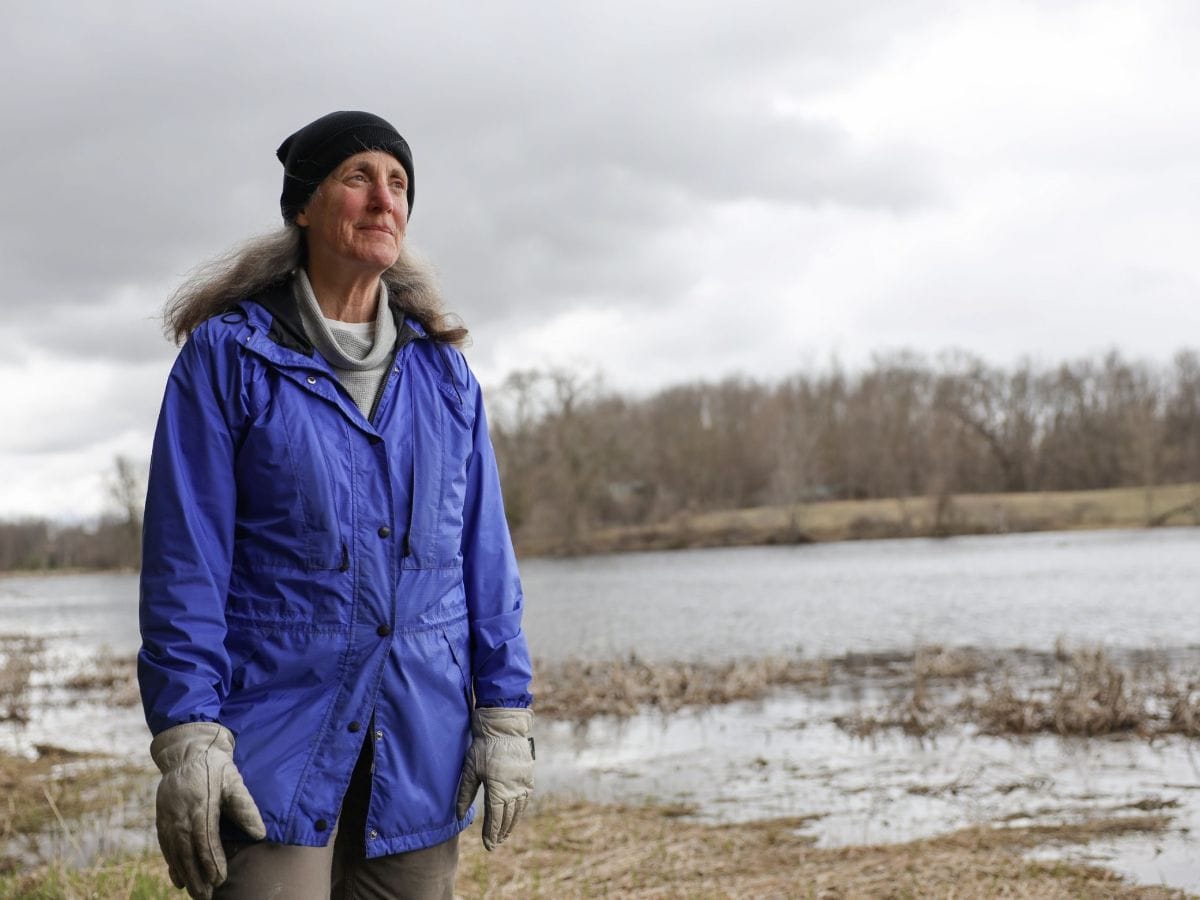
Wisconsin towns brace for next fight on local control over large farms
After a developer began eyeing rural northwest Wisconsin for a large swine farm, five small towns enacted ordinances aimed at curbing environmental and health impacts.
Then, the state’s biggest business and agricultural interest groups fought back. They engaged disaffected residents. Some locals sued. Others ran for political office. New leaders in one Polk County town rescinded regulations on concentrated animal feeding operations, or CAFOs.
Now, officials in the remaining towns with livestock regulations wonder whether they, too, are in legal crosshairs.
This story is by Bennet Goldstein of Wisconsin Watch. It is a product of the Mississippi River Ag & Water Desk.
GRAPHIC: With no avian flu outbreaks, egg prices drop
By Sky Chadde, Investigate Midwest
As the holidays approached in December, egg prices skyrocketed. Much of the increase was blamed on large outbreaks of avian flu. Because of the disease, more than 40 million chickens were killed to ensure the disease didn’t spread any further, according to the U.S. Department of Agriculture.
Search the graphic.
Opinion: Is there a U.S. Supreme Court judicial power grab?
Dave Dickey writes in his latest column about the recent Supreme Court ruling that affects wetlands are protected:
"In a nutshell, Congress intended wetlands adjacent to navigable waters of the United States to be afforded protection from pollutants."
"But that fact seems to have escaped Supreme Court Justice Samuel Alito (perhaps he was napping in class) in his May majority opinion in Sackett v. EPA, a ruling that will significantly reduce the number of wetlands receiving pollution protection under the Clean Water Act.
Read more.
More news
The following stories are a product of the Mississippi River Basin Ag & Water Desk, an editorially independent reporting network based at the University of Missouri School of Journalism in partnership with Report For America and funded by the Walton Family Foundation. Investigate Midwest is part of this network.
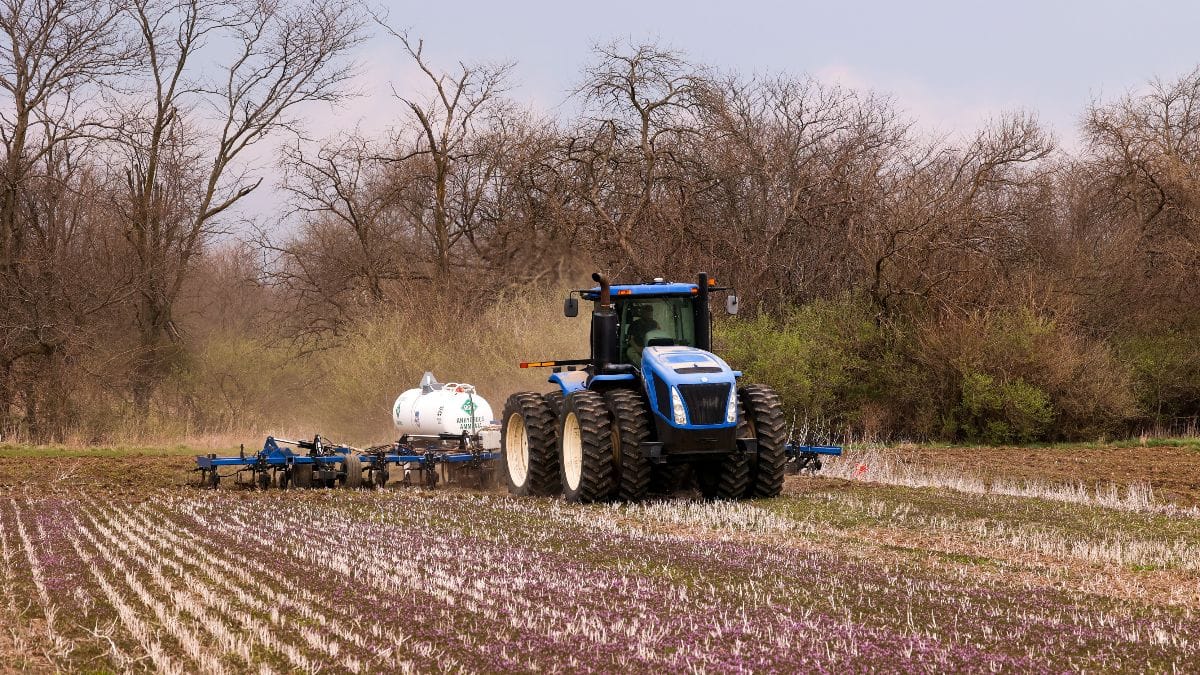
Facing high fertilizer costs, farmers still struggle to use less
Brothers Frank and John Glenn are still running their family farm in Columbia, Mo., growing corn, soybeans and hay. But about 25 years ago they transitioned to a majority no-till operation, no longer digging up the first few inches of soil before planting. Their fields are now filled with big clumps of dirt and old roots from previous harvests.
This story is by the Columbia Missourian. This is the fifth and last in a series, "The Price of Plenty."
First story: A lifetime of research links Gulf of Mexico ‘dead zone’ to Midwest fertilizer runoff
Second story: Fertilizer plants add to toxic loads in Louisiana’s ‘Cancer Alley’
Third story: From factory to field, fertilizer is a huge source of planet-warming emissions
Fourth story: The cost of growth: Fertilizer companies cash in while farmers and communities struggle