July 20, 2023 www.investigatemidwest.org Midwest Center for Investigative Reporting
EPA says use of three neonicotinoids puts species in jeopardy.
Conservationists agree but say agency analysis is flawed.
Since their introduction in the 1990s and 2000s, neonicotinoids have become the most used insecticides in the United States.
They're sprayed on a wide variety of crops, but their most common use is as seed coatings before a crop is planted. On corn, soybeans and cotton alone, they're used on some 150 million acres annually.
In May, the U.S. EPA released an analysis that found three of the most commonly used neonics, as they're called — imidacloprid, clothianidin and thiamethoxam — are putting more than 200 endangered species at risk of extinction.
The EPA said the decision will help the agency better comply with the Endangered Species Act and will announce new mitigations in the coming months.
Industry officials praised the EPA's work and said studies support the safe use of these chemicals, while conservationists said the EPA's ruling downplayed the risk of these chemicals.
— Johnathan Hettinger, reporter

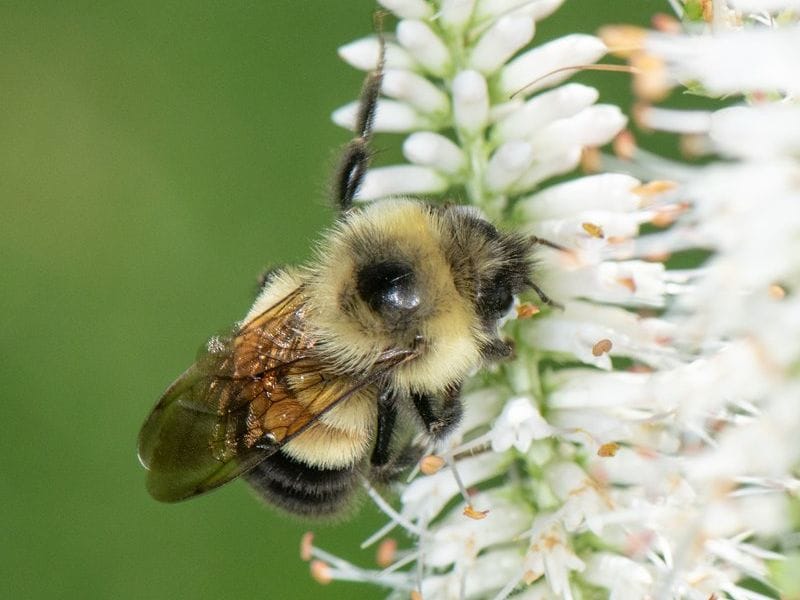
Today, the rusted patched bumblebee is among more than 200 endangered species whose existence is threatened by the nation’s most widely used insecticides (one classification of pesticides), according to a recent analysis by the U.S. Environmental Protection Agency.
The three neonicotinoids — thiamethoxam, clothianidin and imidacloprid — are applied as seed coatings on some 150 million acres of crops each year, including corn, soybeans and other major crops. Neonicotinoids are a group of neurotoxic insecticides similar to nicotine and used widely on farms and in urban landscapes.
Read more.
RELATED: Bees, plants among the more than 200 species in jeopardy, due to neonicotinoid use
Opinion: USDA needs to provide adequate oversight on meat labels
Dave Dickey tackles in his latest column the need for clearer meat labels. He writes:
"Big Beef is at it again. Surprise. Last month, USDA announced that all those flowery words on meat labels like 'grass-fed,' 'free-range' and 'raised without antibiotics' might be a lie."
"As it turns out, no one has been minding the store when it comes to the validity of animal-raising claims. Such claims are voluntary. They are supposed to inform consumers, who care about such things, on how source animals for meat and poultry are raised."
Read more.

Save the date: Sunset on the Farm returns to Iowa
Investigate Midwest and its IowaWatch newsroom are pleased to announce its annual event -- Sunset on the Farm -- will return.
WHEN: Sunday, Sept. 10, 5 to 8 p.m.
WHERE: Walker Homestead outside of Iowa City.
WHAT TO EXPECT: Expect oven-fired pizzas, wine, s'mores, live music and a silent auction against the backdrop of Iowa's farmscapes. More details to come.