This series is supported by a grant from the Fund for Investigative Journalism. This story may not be republished by other news outlets until Nov. 10, 2026.
In 2018, the U.S. Food and Drug Administration reviewed a first-of-its-kind cattle drug.
Elanco Animal Health was seeking approval for Experior, a drug that contains an active ingredient from a controversial class of growth-promoting pharmaceuticals. These drugs can make farm animals gain more weight from the same amount of feed. Some are banned or restricted in more than 160 countries, largely over human safety concerns.
But the Indiana-based pharmaceutical company did not seek Experior’s approval as a growth-promoting drug. Instead, it submitted Experior as a novel solution to an environmental problem. Most cattle raised for beef in the U.S. spend their final months in feedlots, where manure and urine release harmful gases, including ammonia. Elanco claimed that Experior was able to reduce some of those emissions.
Some scientists within the FDA, however, had concerns. Investigate Midwest spoke to three former regulatory specialists at the agency’s Center for Veterinary Medicine on the condition of anonymity. Two of them described concerns common to other approved drugs in the same class; the third scientist had more serious concerns about the studies Elanco conducted and submitted with its application.
Across six studies, cattle that received the highest doses of Experior developed lameness more often than cattle in the control groups. In two studies, scientists diagnosed bloat — a dangerous condition that can cause cattle to suffocate and die — in cattle that received Experior; the control groups had no cases of bloat. In most cases, scientists diagnosed bloat after they found the cattle dead.
Despite these findings, the FDA approved Experior because Elanco showed that the drug could moderately reduce ammonia emissions from cattle.
There are no federal or state limits on ammonia emissions from cattle in feedlots. Yet, sales of Experior are booming: the drug generated more than $200 million in sales in 2025 alone, making it one of the leading drivers of growth for Elanco that year.
More than half of U.S. cattle in feedlots now receive Experior, and feedlot veterinarians are reporting the same issues seen in the studies — bloat-related deaths, lameness and other complications — in connection with Experior use. Data from the U.S. Department of Agriculture also shows a rise in health problems associated with heavier cattle. And a lawsuit by the Animal Legal Defense Fund questioned the safety of consuming beef from cattle raised with Experior.
A cattle shortage is reshaping the beef industry. Producers are finding new ways to squeeze more beef from every animal, using a controversial new drug and longer feeding periods to push cattle to unprecedented weights. The industry is also increasingly turning to dairy farms, rather than traditional ranches, for its beef supply. These shifts raise serious questions about animal health, the future of independent ranchers and the rapidly changing supply chain that brings beef to the dinner table. In this three-part series, Investigate Midwest examines the FDA's approval of Experior, the growing practice of “beef-on-dairy,” and the consequences of pushing cattle beyond their biological limits.
The FDA approval of Experior raises questions about the influence pharmaceutical companies and the livestock industry can wield over the agency. The industry’s reach extends to taxpayer-funded public universities, where animal scientists often promote industry products, conduct industry-funded research and help shape policies that advance corporate interests. Investigate Midwest found that academics with close ties to Elanco helped drive Experior’s commercial success.
“The company used the FDA’s naivety,” said one of the former FDA scientists who spoke with Investigate Midwest. “Some people saw where this was going, but not everybody. So now we ended up with a drug that was not tested for growth being sold or being advertised as a drug for growth.”
In response to Investigate Midwest’s request for comment, an FDA spokesperson emphasized the agency’s role in ensuring the safety and effectiveness of new animal drugs. Elanco also defended Experior’s safety record.
“Experior’s safety profile is documented and demonstrated through nearly two decades of required scientific studies,” wrote Season Solario, a communications representative for Elanco, in an email. “Elanco remains fully confident in the safety and efficacy of Experior.”
Novel drug, shaky science
Experior brought the FDA into unfamiliar territory. The agency had never been asked to judge a feed additive, meant to be mixed into cattle feed, for its ability to reduce harmful gases released into the atmosphere.
The FDA’s public summary of its review of Experior explains how regulators concluded that Experior is safe and able to reduce ammonia emissions. Companies typically draft these summaries, and the agency revises and adopts them.
Elanco tested various gases, including carbon dioxide and methane, the greenhouse gases that put animal agriculture under scrutiny in the 2010s for its contribution to global warming. Ultimately, the company was able to show that Experior could reduce ammonia, which is not a greenhouse gas, by 14% to 18% per pound of animal weight. The drug did not have a significant impact on any of the other gases tested.
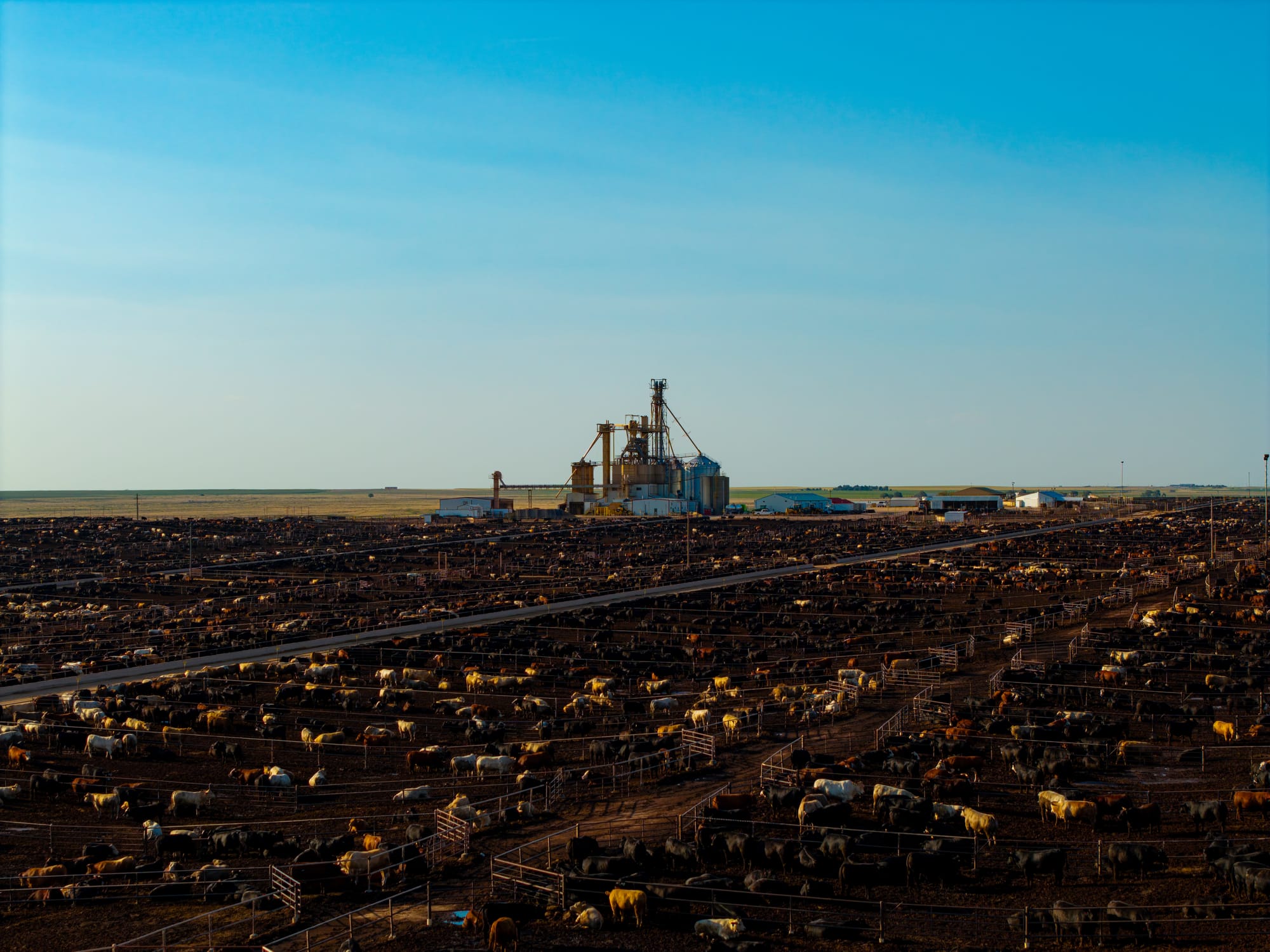
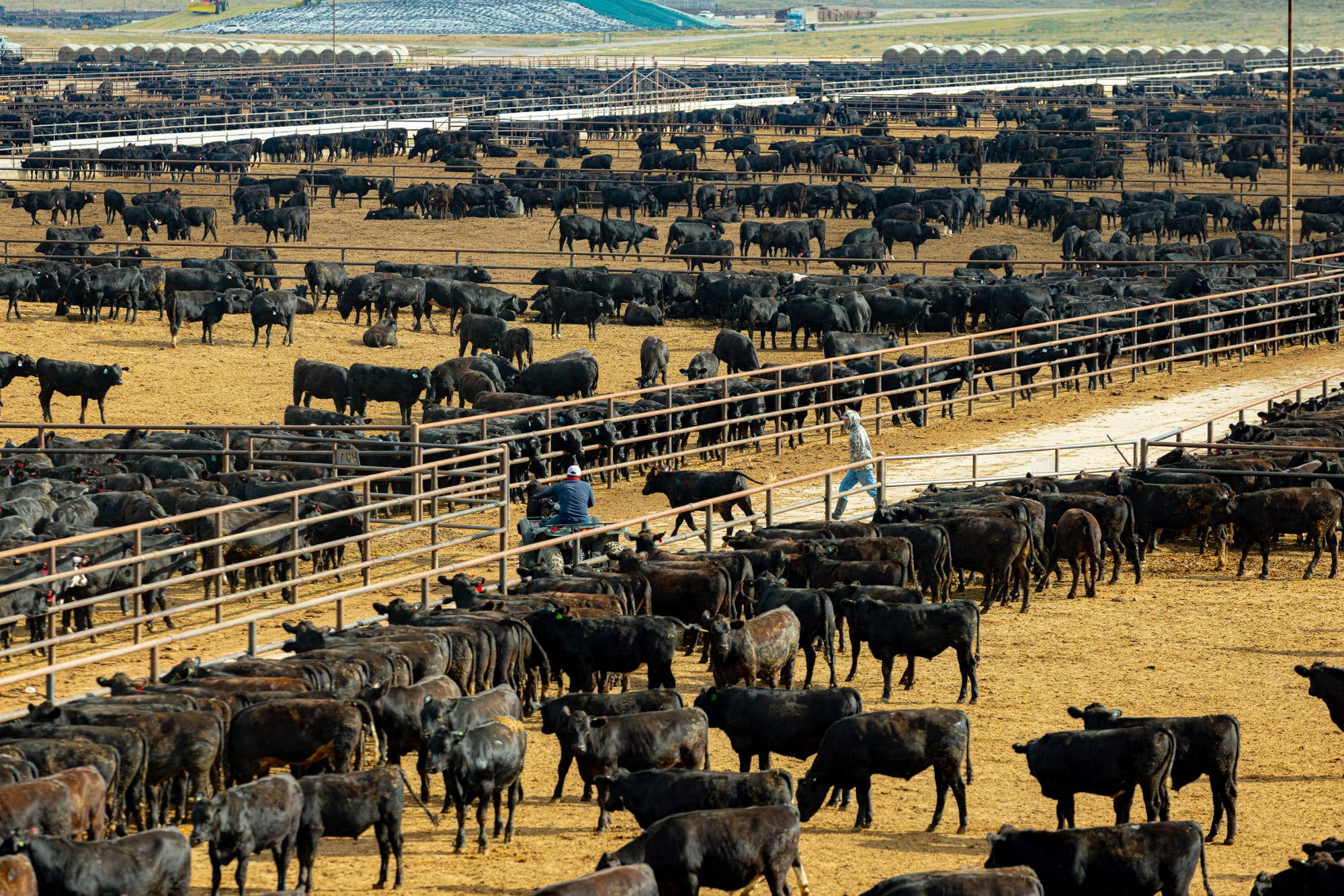
But Elanco never tested Experior in the places where it would ultimately be used: sprawling, open-air feedlots, which sometimes house more than 100,000 animals. The studies took place in small closed pens and environmentally-controlled chambers, some with just 12 animals. The FDA acknowledges that the environmental benefits of using Experior in real-world feedlots are unknown.
 Ben Felder, Investigate Midwest
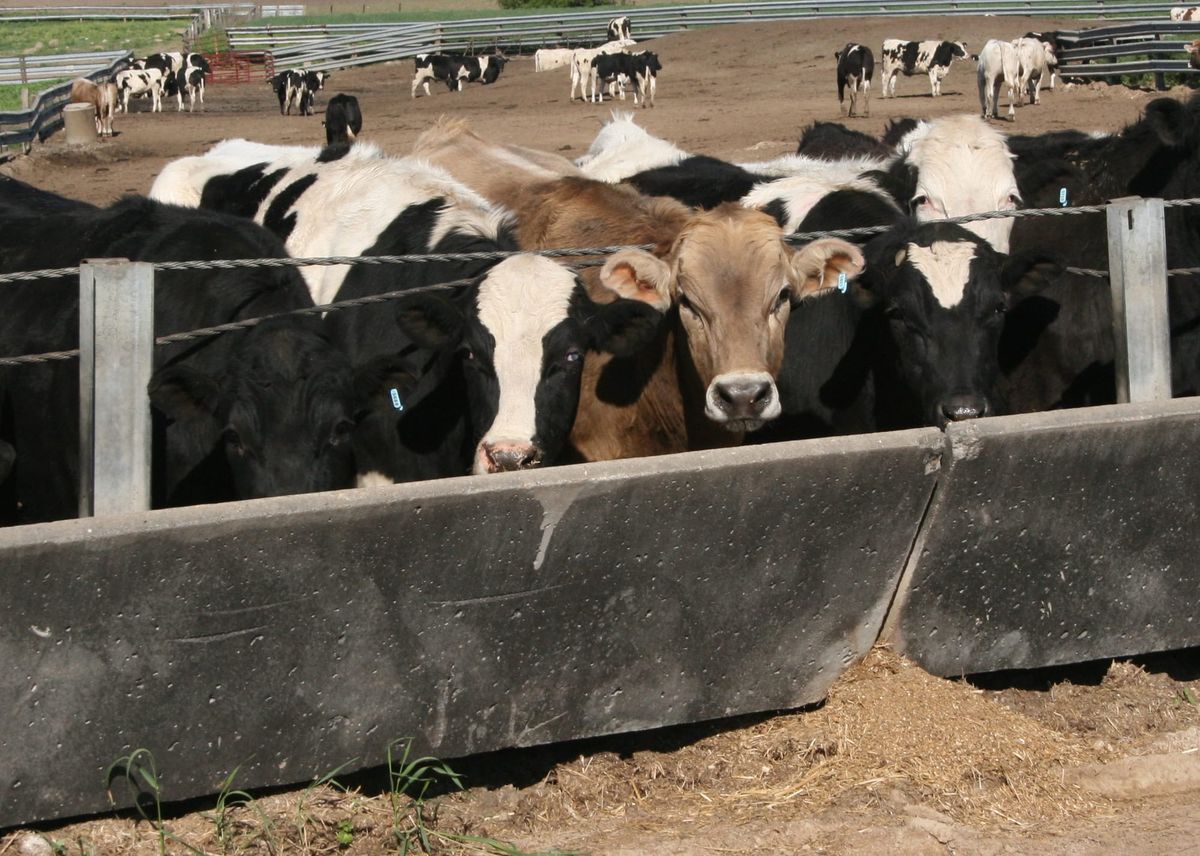
When assessing animal safety, reviewers found that two groups of Experior-fed cattle had a “numerically higher incidence of lameness” than the control groups across six studies.
But the FDA attributed the cases to the muddy conditions inside the pens and the animals’ diet, which they said contributed to foot rot. Because lameness improved in most cases after the animals received “medicated foot baths,” the FDA concluded that the issues were not related to Experior.
“This is scientifically not valid,” said one of the former FDA scientists. “It doesn't mean that it didn't happen or that it's not due to the drug.”
The FDA also saw no reason for concern about the higher rates of bloat. Bloat is a life-threatening digestive emergency that happens when gas rapidly builds up in the rumen — the cow’s stomach — and the animal is unable to burp it out. This buildup puts pressure on the lungs, which can cause the animal to die quickly from suffocation.
In two studies, researchers diagnosed bloat only in Experior-fed cattle, most of them found dead. Despite recording zero cases of bloat in the control groups, the FDA did not conduct a statistical analysis to determine whether the difference was significant.
“The total number of cases observed across both groups was too low to support meaningful statistical comparison,” wrote an FDA spokesperson in an email.
Pushing cattle to their limits
As more feedlots across the country add Experior to cattle rations, feedlots are reporting some of the same problems documented in the studies.
Veterinarians or other feedlot workers sometimes notify a drug manufacturer when they suspect a drug caused a health problem or death. Federal law requires the manufacturer to report these cases to the FDA. As of July 2026, the FDA has received 75 adverse event reports involving lubabegron, the active ingredient in Experior.
Death linked to lubabegron appeared in 59 of the reports. One report from October 2024 documents 229 unexpected deaths in a single feedlot. Another one, from November 2024, lists the death of five Angus cattle weighing a staggering 1,800 pounds each, about 400 pounds above the average slaughter weight that year.
Many of the reports involving deaths also mention bloat and respiratory disorders, although the reports do not establish whether those conditions caused the deaths. More than a dozen reports show lameness and other mobility problems, including cases in which cattle were unable to stand.
 Juan Vassallo, Investigate Midwest
“The FDA is aware of the adverse event reports associated with lubabegron and is evaluating them in accordance with the FDA’s post-market review processes,” wrote an FDA spokesperson in an email.
On its website, the FDA cautions that adverse event reports do not prove a drug caused the problem. The event could be related to other factors.
With cattle in feedlots receiving a range of pharmaceuticals, like hormones and antibiotics, an illness or death could be linked to more than one treatment. Experior is just one of several tools the industry uses to make cattle — and profits – bigger.
The average weight of heifer and steer carcasses has soared in recent years. Many carcasses often exceed 1,000 pounds.
Following a sharp increase in 2024, weights continued to rise through 2025 and into 2026. This trend raises questions about how far cattle can grow before reaching their physiological limits. While their bodies grow to unprecedented sizes, their hearts and lungs do not.
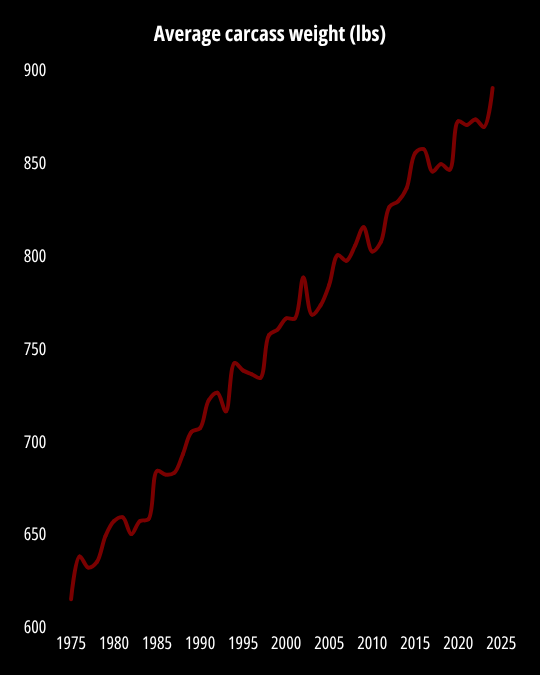
In 1975, the average cattle carcass weight — the combined average for steers and heifers after slaughter — was 615 pounds. By 2024, it had risen to 890 pounds, an increase of about 45%, according to U.S. Department of Agriculture data.
It was also in 2024 that Experior achieved “blockbuster status,” meaning that it made at least $100 million in sales that year.
Beyond Experior, cheap corn has made it more economical for feedlots to extend feeding periods and bring cattle to heavier weights. At the same time, the expanding use of “beef-on-dairy” crossbreeding, which pairs dairy cows with beef bulls, is producing calves that tend to be larger than traditional beef calves.
Investigate Midwest obtained USDA data from federally inspected slaughterhouses for 2017 through 2025. The data shows that the number of cattle arriving at slaughterhouses dead or unable to stand increased among heifers and steers in 2024 and 2025.
The data does not establish a link between the increase in these conditions and cattle weight. But scientific research has found that heavier cattle are more likely to have mobility problems and are more vulnerable to heat stress. Heat stress is a particular concern during transportation to slaughterhouses and can, in some cases, result in death.
In 2024, the year when carcass weights surged, the number of cattle that arrived at meatpacking plants dead or unable to stand increased by approximately 20% compared to the previous year.
The trend continued in 2025. That year, compared with 2017, 44% more cattle arrived unable to stand and 36% more arrived dead — even though about 1.5 million fewer heifers and steers were slaughtered that year.
Is Experior safe for humans?
The Experior label instructs users to wear protective clothing, gloves and eye protection and to wash thoroughly with soap after handling the drug. “Individuals with cardiovascular disease should exercise special caution to avoid exposure. Not for human use. Keep out of reach of children,” the label reads.
In 2020, the Animal Legal Defense Fund and other groups filed a lawsuit against the FDA, arguing that the agency had insufficient information to determine the drug is safe for animals and consumers.
Dr. John Tegzes, a veterinarian and toxicologist with more than 25 years of experience who currently serves as dean of Western University’s College of Veterinary Medicine, filed a 44-page declaration in the lawsuit sharply criticizing the research behind the drug.
“There is currently no way to know whether consumers who eat beef with lubabegron residues will be affected,” Tegzes wrote, citing flaws in the research that Elanco relied on to determine human safety, including outdated studies and small sample sizes.
Tegzes warned that Experior’s effects on the heart and airways could pose a risk to people who consume beef containing residues of the drug, particularly those vulnerable to heart failure or respiratory problems.
He also objected to the software Elanco used in two studies, saying it allowed researchers to edit data without creating a log that FDA reviewers could see. Tegzes did not accuse Elanco of tampering with the data, but said that “the software did not assure the integrity of the study results.”
Perhaps most significantly, Tegzes challenged the FDA’s explanation of how Experior works. Elanco and the FDA say the drug makes cattle more efficient at using nitrogen, leaving less to be excreted and converted into ammonia. Tegzes said the data do not conclusively support that theory, proposing a troubling possibility: That cattle, despite their size, may be experiencing malnutrition or starvation, which could explain the lower ammonia emissions.
“[Cows] were starving, but still gaining weight,” says Cristina Kladis, the Animal Legal Defense Fund lawyer who led the case. “The FDA never could figure out how the drug works in cows' bodies. They still don't know. No one knows.”
The FDA submitted its own expert testimonies to refute Tegzes’ conclusions. One FDA scientist explained that federal law does not require understanding a drug’s exact cellular mechanism to approve it. She dismissed malnutrition concerns, saying that cows eating slightly less while continuing to gain weight indicates improved feed efficiency, not starvation. An FDA toxicologist noted that residues of Experior in beef pose no risk to humans when the drug is used at approved doses.
The judge did not consider any of the expert testimonies and ruled in favor of the FDA. The Animal Legal Defense Fund is not currently planning to appeal.
Who are animal scientists serving?
Experior belongs to a class of drugs that are called beta-adrenergic agonists (although Elanco classifies Experior as a “beta-adrenergic agonist/antagonist,” a slight departure from the broader classification).
A 2014 study by scientists at Kansas State University and Texas Tech University found that cattle given beta-agonists were 75% to 90% more likely to die than cattle that did not receive the drugs.
There is no official national data on which and how widely feedlots use beta-agonists. But some sources estimate that by 2012, 60% to 80% of cattle in U.S. feedlots were fed one of two beta-agonists: Zilmax, made by Merck Animal Health, or Optaflexx, made by Elanco.
Both drugs have faced controversy. In 2013, Merck stopped selling Zilmax after reports emerged that cattle hooves were coming apart. The drug later returned under stricter use requirements, but its negative reputation and concerns about meat quality limited its appeal. Feedlots increasingly turned to Optaflexx, which contains ractopamine, a drug widely used in hog farming. In 2012, China rejected hundreds of thousands of pounds of U.S. pork after detecting residues of the drug.
Experior, with its environmental claims, has benefited from a more positive reputation. And research published after the drug’s approval gave the drug an additional advantage: studies show that Experior outperforms Optaflexx in promoting growth.
That reputation, as well as the drug’s off-label growth effects, has been bolstered by animal scientists at universities.
“Resistance to change, resistance to technology,” said Ty Lawrence, an animal scientist at West Texas A&M University, addressing a room full of cattle producers in Amarillo, Texas, in June 2025. “If you’re in the cattle feeding business and you’re not feeding Experior, you’re missing an opportunity.”
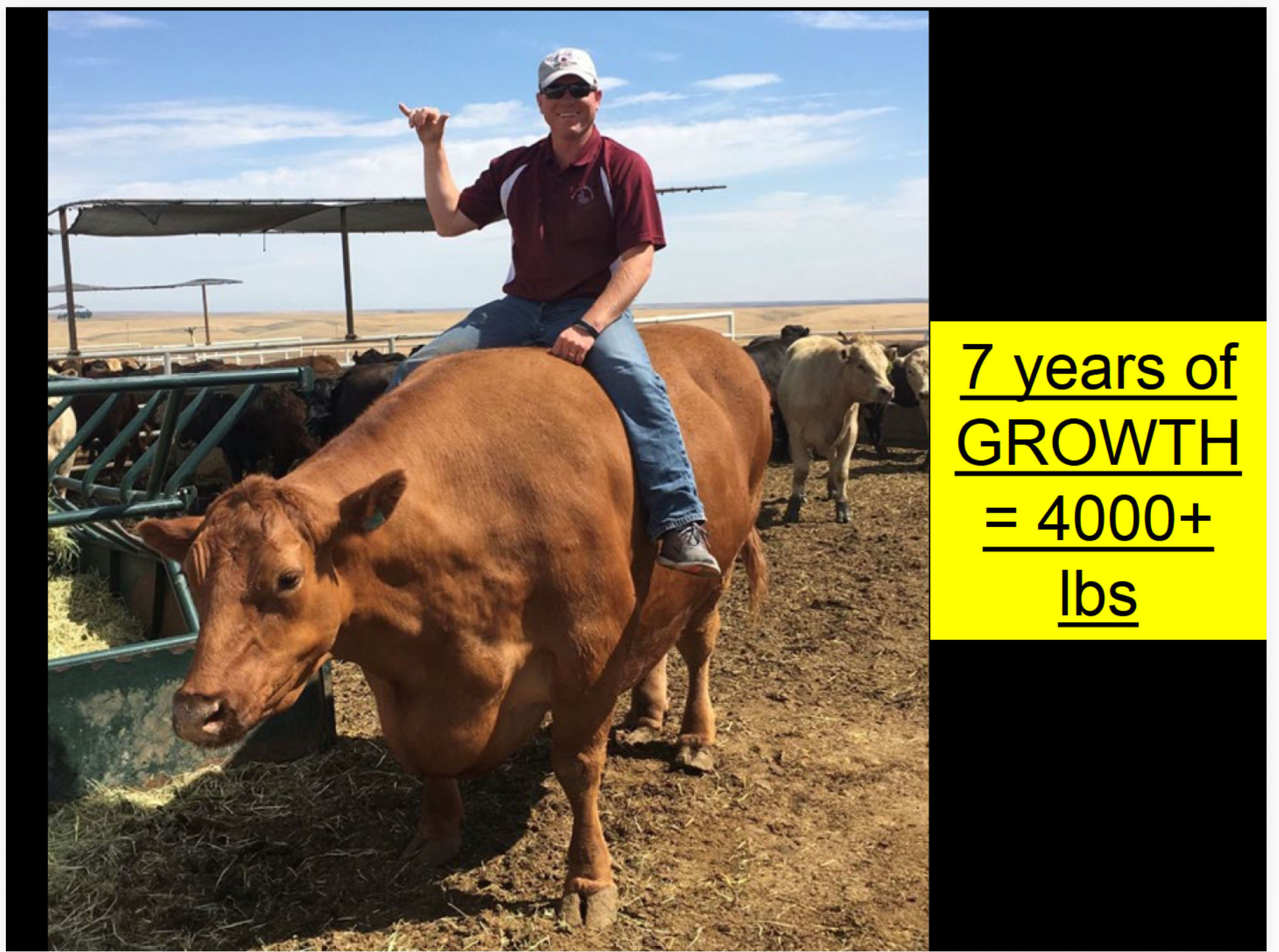
But the public university professor did not explain why a drug approved for an environmental purpose is, as he labeled it, a “profit driver” for those who feed cattle. Lawrence also failed to disclose his ties to Elanco, including the thousands of dollars he had received from the company.
Back in 2012, Lawrence was one of the unofficial spokespeople for Zilmax. The Chronicle of Higher Education reported at the time that Lawrence routinely failed to disclose in journal articles that Merck was paying him consultancy and speaking fees. More than a decade later, Lawrence is once again serving as a pitchman, but this time for Experior.
Investigate Midwest obtained email correspondence between Lawrence and Elanco through a public-records request to West Texas A&M University. The emails show that Lawrence received $5,800 from Elanco for a single speaking engagement in 2018.
The emails also offer a behind-the-scenes look at how a 2025 peer-reviewed paper on Experior, which Lawrence co-authored with Elanco scientists, was published in the journal Translational Animal Science. A reviewer for the journal had “major concerns” about what they perceived as gaps in the data and said some passages “read like an advertisement.” The reviewer also challenged the authors’ claim that Experior has “no impacts on mobility,” noting that cattle given the drug appeared to have more mobility issues.
On this last point, one Elanco employee pushed back, writing: “forgive me, sounds like a witch hunt.”
Lawrence did not disclose any conflicts of interest to the Translational Animal Science journal. In an email to Investigate Midwest, Lawrence wrote that he conducts “independent third-party research for Elanco” and cites the paper in the Translational Animal Science as an example. He added that the $5,800 payment he received from Elanco was for a 3-day short course sponsored by the company but not related to Experior. Lawrence did not address questions about his failure to disclose payments from Elanco.
“I do not market Experior to beef producers or processors,” Lawrence added.
Lawrence’s ties to the industry go beyond speaking engagements and his work on Experior. He is also director of the Beef Carcass Research Center at West Texas A&M University, which collects research data for pharmaceutical companies. Elanco has used the center for its own research, paying $42,000 last year to use the center’s facilities and cattle for one study.
According to Lawrence’s resume, also obtained through a records request to the university, the center has generated $3.35 million in revenue. His resume also claims that he has received more than $13 million in “external funding.” In an email to Investigate Midwest, Lawrence said this funding came from various sources, including Elanco, Zoetis, Merck, and the USDA.
West Texas A&M University did not respond to questions about its policies governing potential conflicts of interest and the disclosure of payments.
But Lawrence and the center he leads are not exceptions. Public universities — particularly land-grant universities, which Congress established in the 19th century to serve farmers and advance agricultural research and education — have long maintained close ties with the livestock industry.
Jessica Sperber, an animal scientist who previously worked at the University of Nebraska and now works for Merck, has promoted Experior to cattle producers through talks and educational workshops, including a University of Nebraska workshop titled, “Ca$hing in on Carcass Weight with Experior.” Some of these events were sponsored by Elanco.
“I have never personally received or accepted any monetary payment, honorarium, or other financial compensation from Elanco for conducting research on Experior, presenting research involving Experior, or discussing the product,” wrote Sperber in an email to Investigate Midwest.
As Elanco continues to position itself as part of the “sustainability solution” for the livestock industry, the company has partnered with Frank Mitloehner, an animal scientist and air quality specialist at the University of California, Davis.
In a sit-down interview with Elanco CEO Jeff Simmons, Mitloehner said that feed additives like Experior and Bovaer — a second environmental drug by Elanco that the FDA authorized in 2024 to reduce methane emissions from dairy cattle — will help the industry achieve its climate goals by 2030. Mitloehner also described meeting with legislators to advocate for the treatments. “And our legislature listened. I’m very encouraged by that,” he said.
Industry funding has helped elevate Mitloehner as a public voice on livestock and climate change, according to a 2024 paper by researchers at Yale Law School and the University of Miami.
The authors say his research and outreach have downplayed animal agriculture’s climate impact while promoting industry-friendly solutions and policies. In an interview with Investigate Midwest, Viveca Morris, one of the paper’s authors, noted that the animal drug industry lacks the funding disclosure requirements that exist in human medicine.
“When there's an exchange of funding, it's significant, and there has been a recognition in the human medical field that this matters, and that patients and regulators deserve to know,” Morris said. “It certainly seems like it's past time that the same be applied to animal pharmaceuticals.”
In an email to Investigate Midwest, Mitloehner said that his funding is “diverse,” coming from both the private and public sectors.
“My communications on climate solutions, regardless of the tool, are rooted in the science I have conducted and that has withstood scrutiny,” wrote Mitloehner.
The system rewards drug approvals
Experior entered the market in 2021 but sales did not take off until a few years later.
A turning point came in 2024, when several research papers published in scientific journals highlighted Experior’s growth effects. That same year, the FDA also approved Experior for use in combination with other drugs, like antibiotics, that have “improved feed efficiency” and “increased rate of weight gain” claims on their labels.
Elanco cannot market Experior on its own as a growth promoter. But it can market combination products containing Experior and another drug with growth claims for those benefits. And the post-approval research papers allow scientists like Lawrence and Sperber to promote Experior for its off-label growth effects.
By 2025, the drug was a success. It made $200 million in sales, an increase of 80% from the previous year.
New animal drug applications, including Experior’s, undergo reviews to assess effectiveness, safety, environmental impact, and other areas. In the past, animal drugs, like human drugs, would also be reviewed by an independent advisory committee of experts. But the FDA dissolved its Veterinary Medicine Advisory Committee in 2013.
The former FDA employees who spoke with Investigate Midwest said about 15 to 20 scientists — possibly more — reviewed Experior’s application. They emphasized that the approval of Experior was not the result of a single actor pushing it through.
One of them described a systemic pressure within the agency to approve drugs. He pointed to the Animal Drug User Fee Act (ADUFA), the system enacted in 2003 under which drugmakers pay the FDA millions of dollars each year to supplement the agency’s funding and help it review drugs faster. For fiscal year 2025, the FDA collected $30 million in fees through ADUFA.
The system sets goals for how quickly the FDA reviews applications and what information drugmakers must submit. These terms are renegotiated every five years, with the latest round of negotiations now underway.
At a public meeting in May on ADUFA’s reauthorization, Steve Roach, director of Food Animal Concerns Trust — one of the groups that joined the Animal Legal Defense Fund’s lawsuit over the approval of Experior — called the system “inappropriate.” He argued that it creates a conflict of interest by allowing drugmakers to influence the FDA’s priorities.
“We have this real need for speed when it comes to drug approvals, it's what everyone's talking about,” said Roach. “But there seems to be no concern for actually protecting public health.”
Interviews
Anonymous former FDA employees, beginning August 2026
Cristina Kladis, Animal Legal Defense Fund, beginning April 7, 2026
Chip Chandler, West Texas A&M, email correspondence, beginning Oct. 28, 2026
FDA spokesperson, email correspondence, Oct. 23, 2026
Jessica Sperber, email correspondence, Oct. 30, 2026
Season Solario, Elanco, email correspondence, Oct.27, 2026
Viveca Morris, Yale Law School, Aug. 7, 2026
Lawsuit by Animal Legal Defense Fund
Dr. Amey Adams’ declaration
Dr. John Tegzes’ declaration
Dr. Kimon Kanelakis’ declaration
Reports, data and documents
Adverse Event reports linked to lubabegron, as of July 2026
USDA cattle condemnation data, 2017-2025
Experior’s New Animal Drug Application by Elanco Animal Health, 2018
Experior: Development History, Commercial Launch, and Research Plans, 2024
“Feedlot and Packing System Profit Drivers” presentation by Lawrence, 2025
“Ca$hing in on Carcass Weight with Experior” presentation by Sperber, 2025
Elanco’s 2024 Annual Report
Elanco’s 2026 Earnings – First Quarter
Ty Lawrence’s CV with external funding
Study Agreement between Elanco and West Texas A&M University’s BCRC, 2025
Correspondence related to publication of Experior paper on TAS, 2025
Research studies
Pierre J. Gerber, Henning Steinfeld, Benjamin Henderson, Anne Mottet, Caroline Opio, Jan Dijkman, Alessandra Falcucci, Giuseppe Tempio. Tackling climate change through livestock: A global assessment of emissions and mitigation opportunities, 2013
Virginia Morris, Jennifer Jacquet. The animal agriculture industry, US universities, and the obstruction of climate understanding and policy, 2024
Taylor McAtee, David Renter, Tyler Murphy, Nick Betts, Brandon Depenbusch. Cattle, carcass, economic, and estimated emission impacts of feeding finishing steers lubabegron or ractopamine hydrochloride, 2024
Marissa Eekhoff, Dathan Smerchek, Jodi McGill, Stephanie Hansen. Enhancing steer growth and efficiency through growth promoting technologies, 2025
Wilsey M. Wendler, Michael S. Davis, Walter C. Koers, Phillip J. Rincker, Nathan A. Pyatt, Loni W. Lucherk, Ty E. Lawrence. Effect of beta-agonist type and timing of Experior feeding on calculated cumulative ammonia gas emissions, live growth performance, and carcass outcomes, and objective tenderness outcomes of feedlot steers, 2025