How states subsidize major meat processing companies
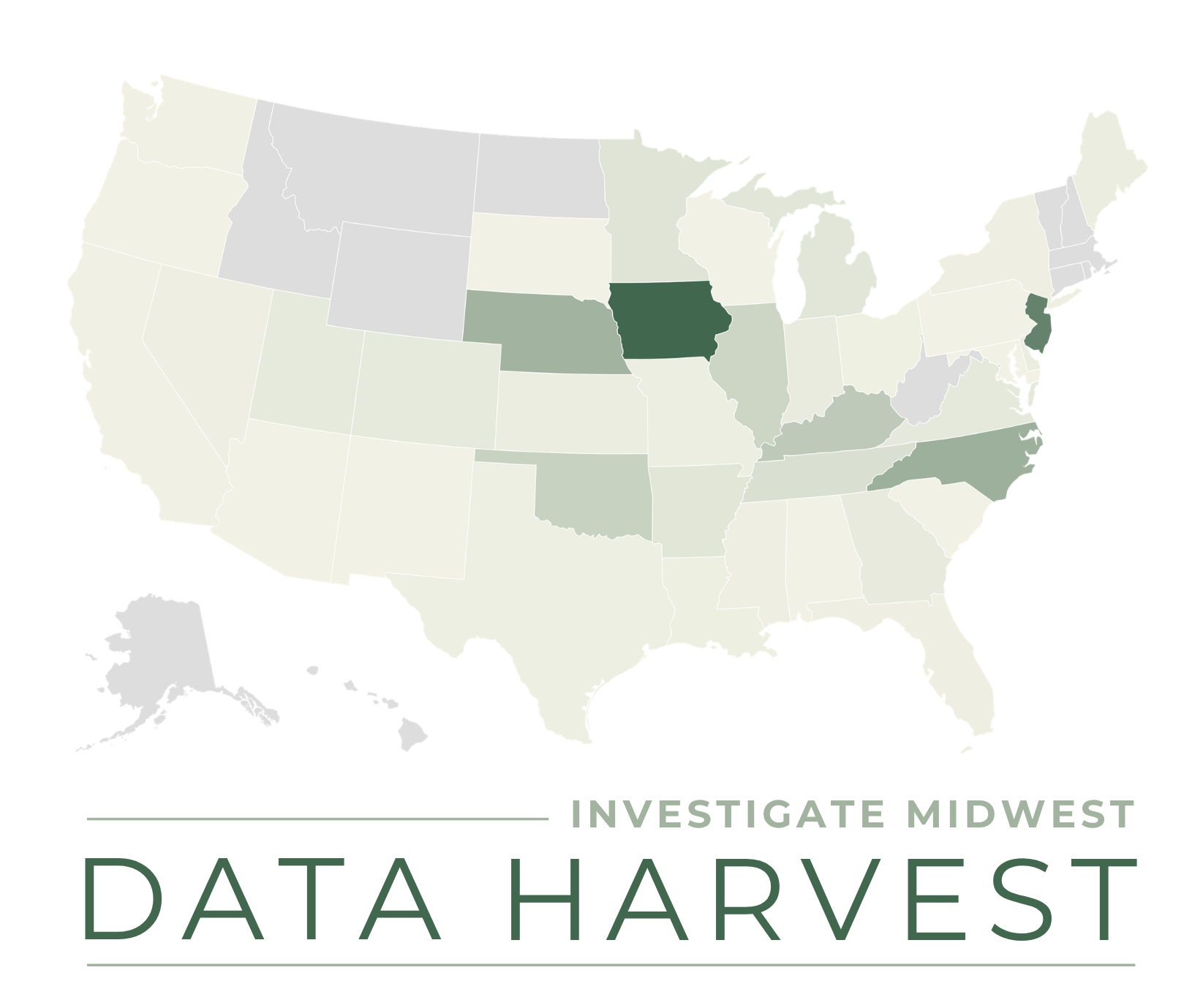
More than $500 million in public tax subsidies has flowed to major meatpacking companies since 2006, according to a new data analysis by summer intern Caspar Dowdy.
Using data from the nonprofit watchdog Good Jobs First, Caspar analyzed nearly two decades of tax subsidy deals across 38 states. Each job costs, on average, $7,641 in tax breaks. More than half of those hiring estimates came from Arkansas-based Tyson Foods, which produces 20% of the United States’ beef, pork and chicken, according to the company’s own estimates.
Tax incentives like these are intended to create jobs and spark local economic development, yet they coincide with an increasingly consolidated industry and shed tens of thousands of meatpacking jobs.
Caspar’s story notes that between 2006 and 2023, employment in the meatpacking industry dropped from more than 118,000 jobs to just over 71,000, raising questions about whether taxpayers received the returns they were promised.
— Lauren Cross, assitstant editor & audience manager
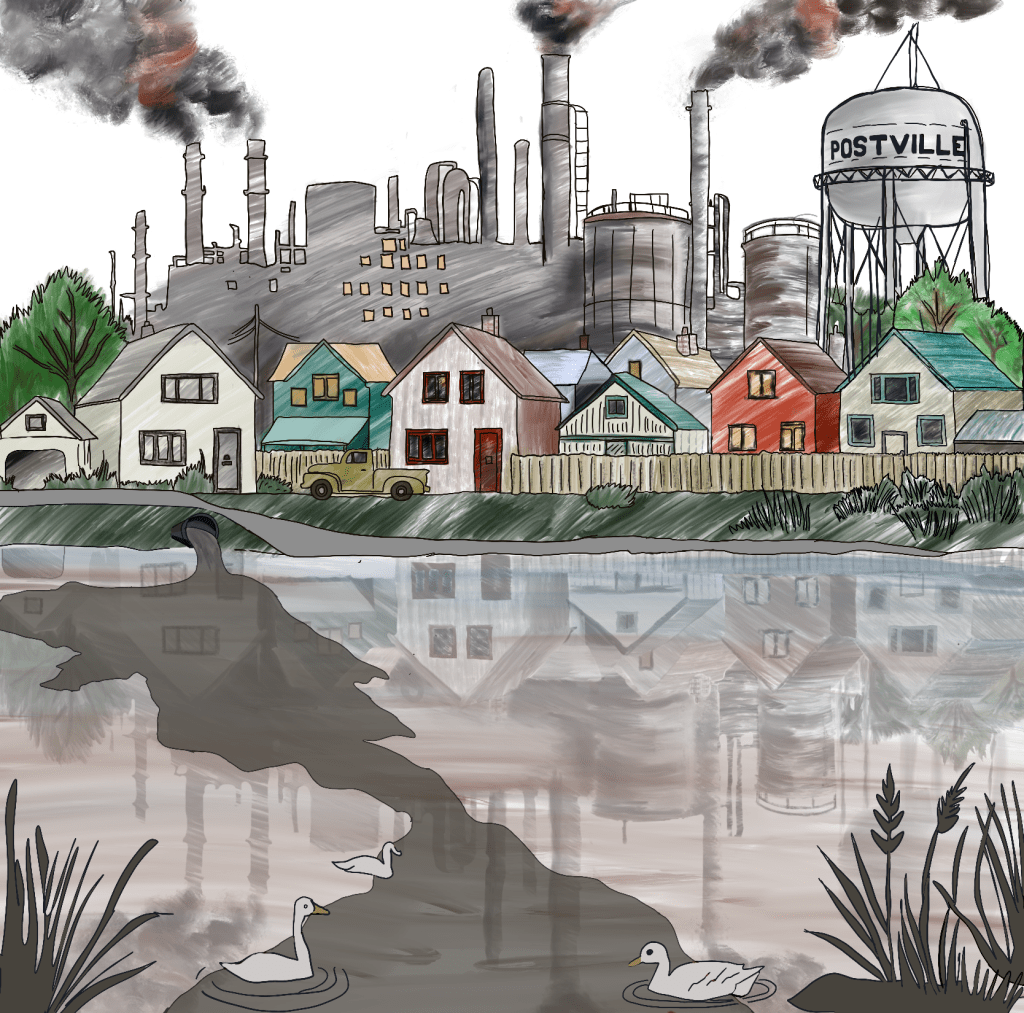
Postville, Iowa, is one of the many rural towns in the Midwest reliant on meatpacking plants, such as Agri Star, as major employers. John McCracken and Mónica Cordero’s 2024 investigation examined how the Agri Star plant is polluting the local water systems of their employees, who are mainly people of color and low-income families.
News from our trusted media partners
China resumes US soybean purchases under trade deal with Trump, but future for farmers remains ‘daunting,’ Tennessee Lookout/Ag & Water Desk
Congress members move to override Supreme Court ruling on pesticide protections, The New Lede
Connect with us on social media!
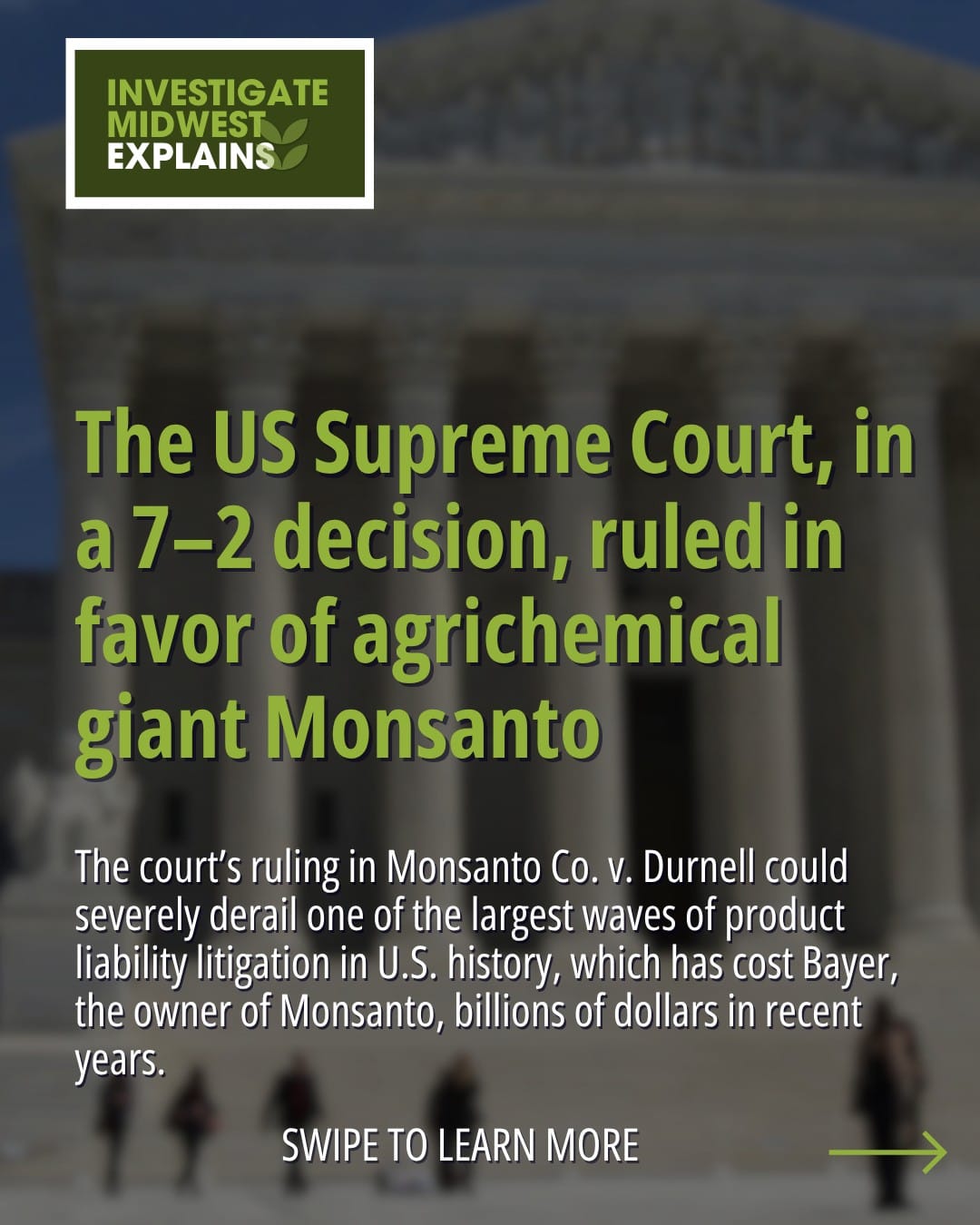
The U.S. Supreme Court ruled in favor of the agribusiness Monsanto and its claim that it failed to warn consumers of cancer risks associated with herbicide, Roundup. The case...