Beef imports continue to rise, leaving US ranchers feeling betrayed
Despite promises to put American agriculture first, the United States is importing more beef than it exports, and that gap is expected to widen through 2027.
The reason is straightforward: a shrinking cattle herd has left the country unable to produce enough to satisfy demand in the grocery aisles. But for many ranchers, the
growing reliance on foreign beef feels like a betrayal by the Trump administration and conflicts with his “America First” messaging.
Our meat industry reporter, Juan Vassallo, explains in this week’s Data Harvest why imports continue to rise, who’s benefitting and why beef prices are staying high.
— Lauren Cross, assitstant editor & audience manager
ICYMI: The surge in beef imports from South America
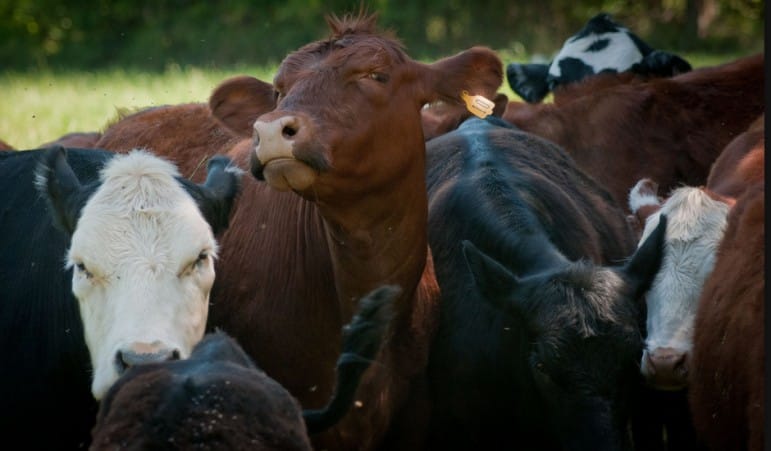
Back in March, this Data Harvest examined how beef imports from Argentina and Brazil have surged over the past decade, even as the U.S. cattle inventory continues to decline.
The story also explored new trade policies expanding Argentina's access to U.S. markets. This shift raises concerns for cattle ranchers as the U.S. becomes more dependent on foreign exports while the national beef industry is in a freefall.
News from trusted media partners
EPA stalls long-planned nitrate review as pollution crisis grows, The New Lede
Connect with us on social media!

Our two-month summer campaign has officially wrapped up and we are so grateful for all of the gifts we received this summer. Our $5,800 total allows for our team to continue to...