Nov. 20, 2025
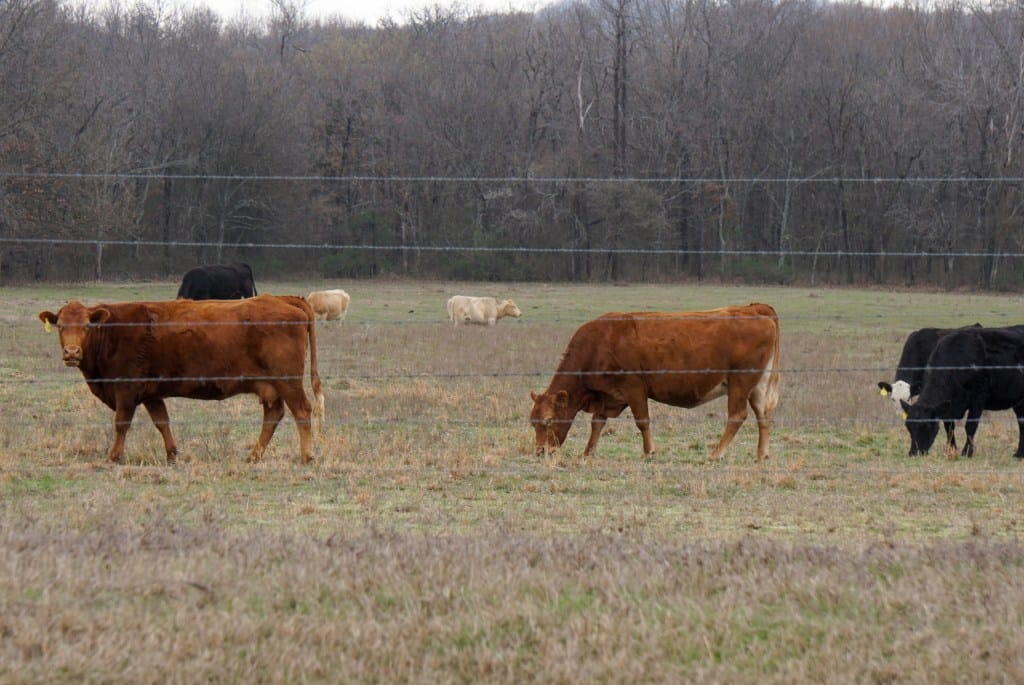
Fact-checking Trump’s claims about US meat production
Is a corporate monopoly to blame for America’s rising meat prices?
That was one recent claim of President Trump, who ordered the U.S. Department of Justice to investigate the “Big Four” meat packers — JBS, Cargill, Tyson Foods and National Beef — over potential collusion and price fixing.
Consolidation of the beef industry is something we’ve reported on a lot at Investigate Midwest, and this week, we wanted our readers to have a better understanding of the issue raised by Trump. That’s why Wisconsin-based reporter John McCracken, who has reported extensively on the U.S. meat industry, fact-checked the president’s claims, which you can read here.
While Trump was mostly correct in stating that the beef industry has seen significant corporate consolidation, his claim that this is leading to higher consumer costs was somewhat misleading.
— Ben Felder, editor-in-chief
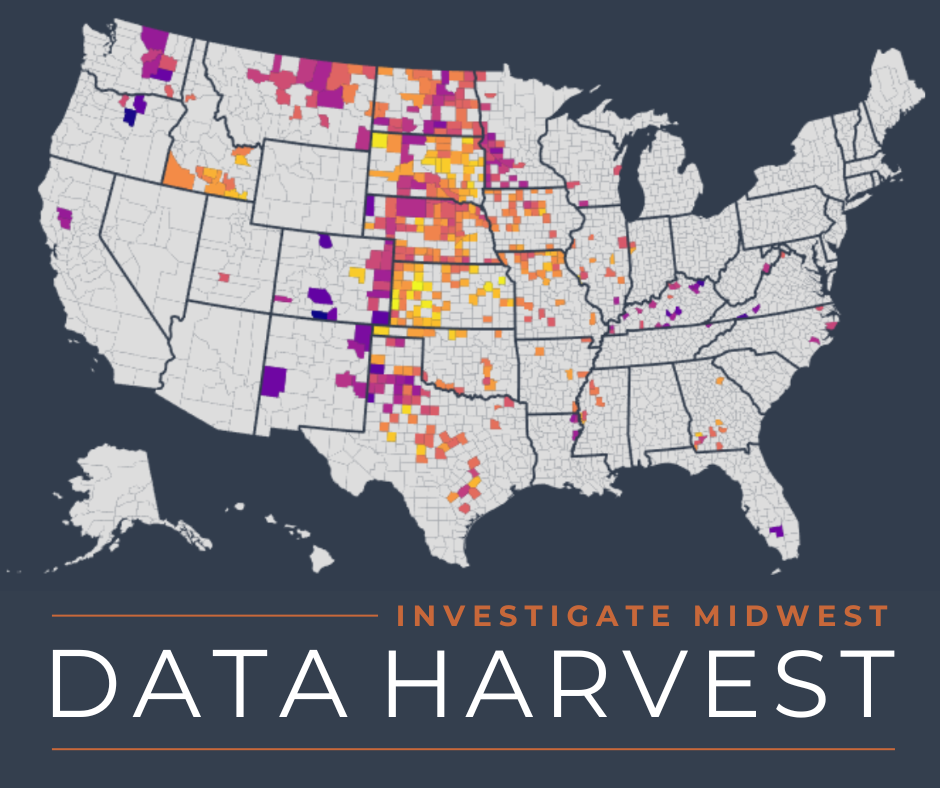
DATA HARVEST: Trump tried to limit SNAP during the shutdown. Many in his base were eligible.
By Sky Chadde, Investigate Midwest
The primary way the federal government ensures families don’t go hungry is the Supplemental Nutrition Assistance Program, or SNAP. About 42 million people use the assistance to buy groceries, which averages around $187 per month.
SNAP was caught in the middle of the longest government shutdown in U.S. history, which ended Nov. 12. As funding lapsed in early November, it was unclear how recipients would afford to feed their families.
The Trump administration has claimed the program is rife with fraud, and Agriculture Secretary Brooke Rollins, whose department oversees SNAP payments, said about 700,000 people have been kicked out of the program since January, according to NPR.
Many people in Trump’s political base are eligible for SNAP benefits. Farmers and other rural residents have consistently backed the president, and they are also likely to live in areas with increasingly high rates of food insecurity.
OPINION: A legally accepted definition of ultra-processed foods in the US is years away
By Dave Dickey, Investigate Midwest
It’s called the “California Effect.”
When it comes to agricultural law, regulation and policy, the state has often set trends that other states and the feds closely follow.
For an eyeful of how it works, you need to look no further than California’s Proposition 12, a regulation requiring out-of-state pork producers wanting to do business in the Golden State to house their sows in a minimum of 24 square feet of living space.
USDA reported in July that 27% of pork producers have either complied or soon will be in compliance with Prop 12.
That’s the California Effect in action. And it could soon apply to attempts to craft a statutory definition of ultra-processed foods.
Right now, the feds are trying to come up with a working definition for ultra-processed foods, which Health and Human Services Secretary Robert F. Kennedy Jr. says “are driving our chronic disease epidemic.”
But California and Gov. Gavin Newsom, just jumped that shark. Last month, California became the first state in the nation to approve a definition for ultra-processed foods with a goal of ridding them from school meals by 2035.
I bet other states are already taking a hard look at California’s new statutory definition of ultra-processed foods.
All of which puts the feds behind the eight ball.
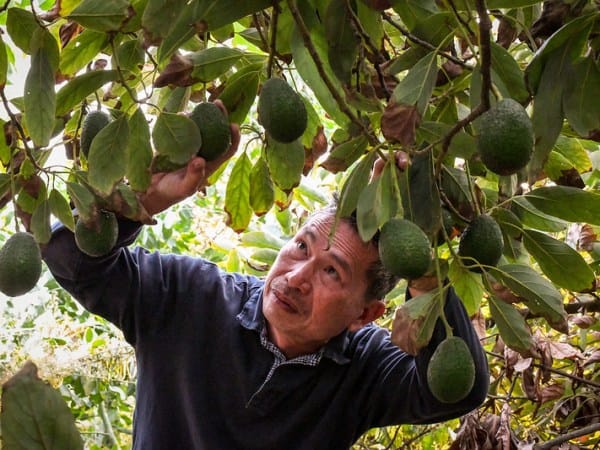
ICYMI: Is OSHA listening?
New national research shows that simple measures like water, shade and rest breaks significantly reduce workplace injuries on hot days.
The findings add weight to what farmworkers and advocates have been warning for years, and they arrive just as the federal heat-rule process faces new delays.
With agriculture among the most at-risk industries and temperatures continuing to climb, this reporting from Grist’s Frida Garza helps lay out the human and policy consequences.