Heat risks, little protections, and a high-stakes debate in Illinois
Heat illness isn’t always obvious in the moment.
In one case from Missouri in 2019, a feedlot worker finished a full shift before developing symptoms of heat exhaustion hours later and checking himself into a hospital at 2 a.m., according to OSHA records.
Across Illinois, more than 700 workers suffered heat-related illnesses or injuries on the job between 2017 and 2024, according to one researcher’s analysis of hospital data.
That reality is part of what’s driving the debate unfolding now in the Illinois state capitol, where lawmakers are considering whether to require employers to provide basic protections for workers, including access to water and paid breaks during extreme heat.
These types of safeguards can be taken for granted in certain office settings — but they are not guaranteed across Illinois workplaces.
Worker advocates say those measures are necessary as climate change makes the weather hotter and more volatile, while industry groups warn the rules could disrupt operations across the food system.
Read reporter Sky Chadde’s latest story for a closer look.
— Lauren Cross, assistant editor & audience engagement manager

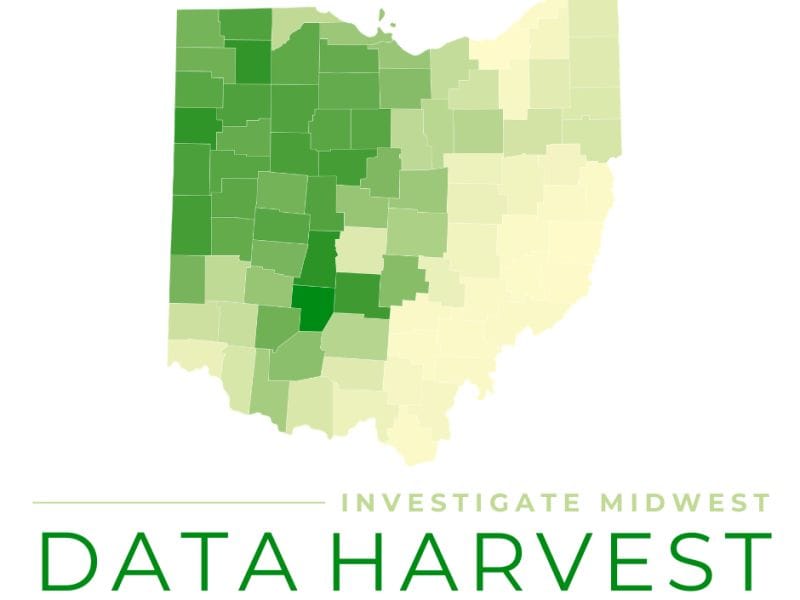
DATA HARVEST: Cancer is a statewide problem in Ohio, including in the pesticide-heavy northwest corner
By Ben Felder, Investigate Midwest
Ohio is at the far eastern end of the U.S. corn and soybean belts, with more than 8 million acres of the crops planted in the state, mostly in the northwest.
Northwest Ohio also has the state’s highest use of pesticides, which includes agrichemicals used to control pests, weeds and fungicides.
Ohio also has the nation’s 12th-highest cancer rate, but the correlation with pesticide use is not as apparent as in other states.
ICYMI: Inside the corporate push to limit liability
The Supreme Court is scheduled to hear arguments on Monday, April 27, in Monsanto Co. v. Durnell, a case with major implications for pesticide liability lawsuits.
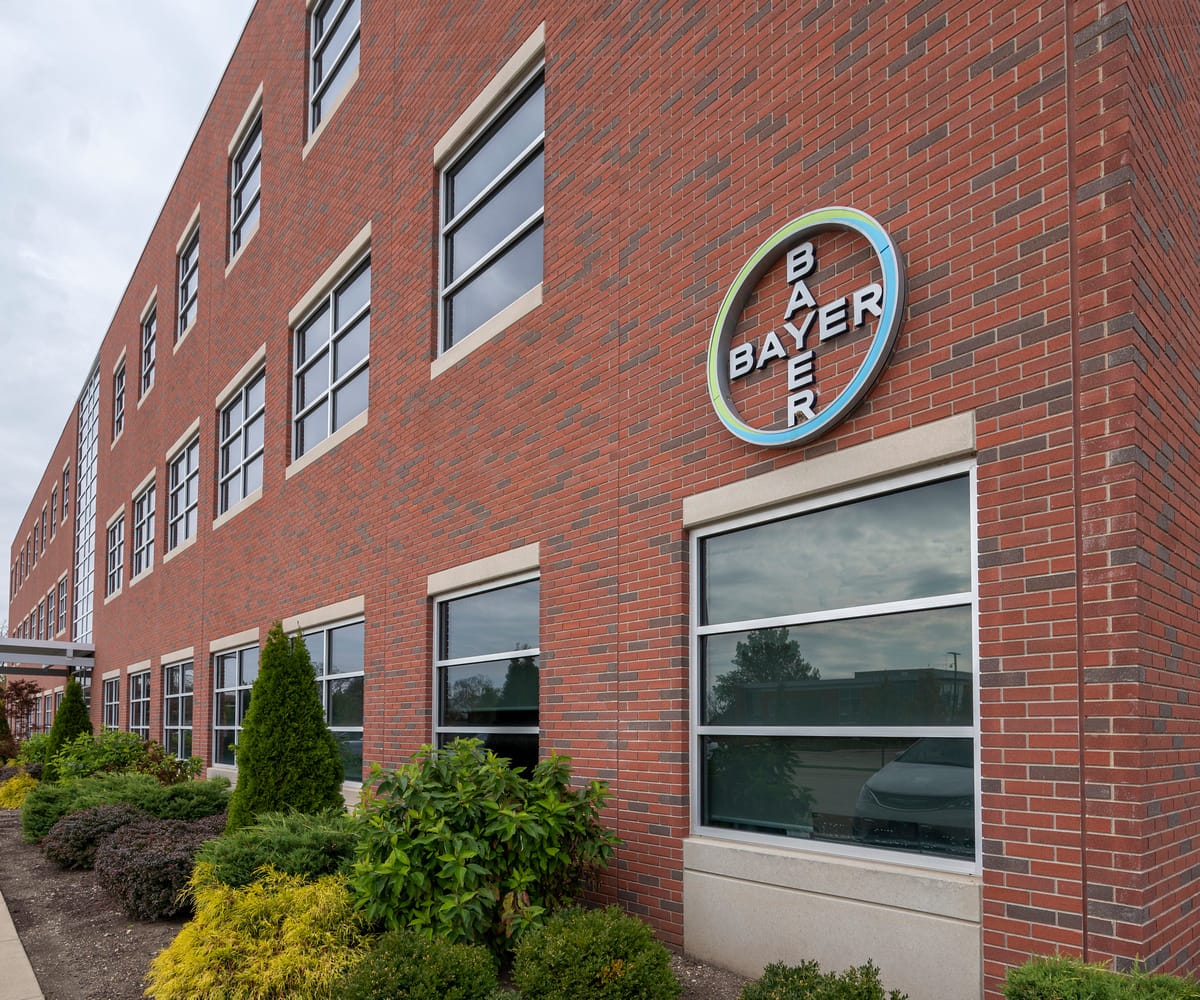
As scrutiny grows, here's a chance to revisit one of our investigations, recently cited in an Environmental Law Institute report on toxic litigation. The story examines Bayer-backed efforts to limit the company's liability at the state level.

News from trusted media partners
American farmers bet on solar. Then Trump changed the rules., Grist
Connect with us on social media!
#foodprices were already expected to rise in 2026. Now, @usdagov projections are moving higher. New data shows increases across categories, from beef to vegetables, as fuel...