3 stories tie to some of the biggest forces in US ag
This week, we’re bringing you three stories that all touch on some aspect of corporate influence in modern agriculture: from Bayer’s controversial seed contracts to new data on the potential ties between high pesticide use and cancer rates in Illinois and newly disclosed John Deere stock purchases connected to President Donald Trump’s investment portfolio.
First up: Bayer has agreed to suspend parts of its seed loyalty program after the Department of Justice warned the company’s practices may have limited competition and raised costs for farmers. The suspension lasts seven years, raising questions about what happens when it expires and whether the changes could meaningfully lower costs for farmers in the long run.
Editor-in-chief Ben Felder recently analyzed federal data and found that Illinois counties with the highest cancer rates also had pesticide use rates nearly 25% higher than the rest of the state. Three-fourths of Illinois counties report cancer rates above the national average.
We are also following new financial disclosures showing multiple purchases of John Deere stock tied to President Trump’s investment portfolio, including trades made around public events involving the company.
Explore the stories below.
— Lauren Cross, assitant editor & audience engagement manager
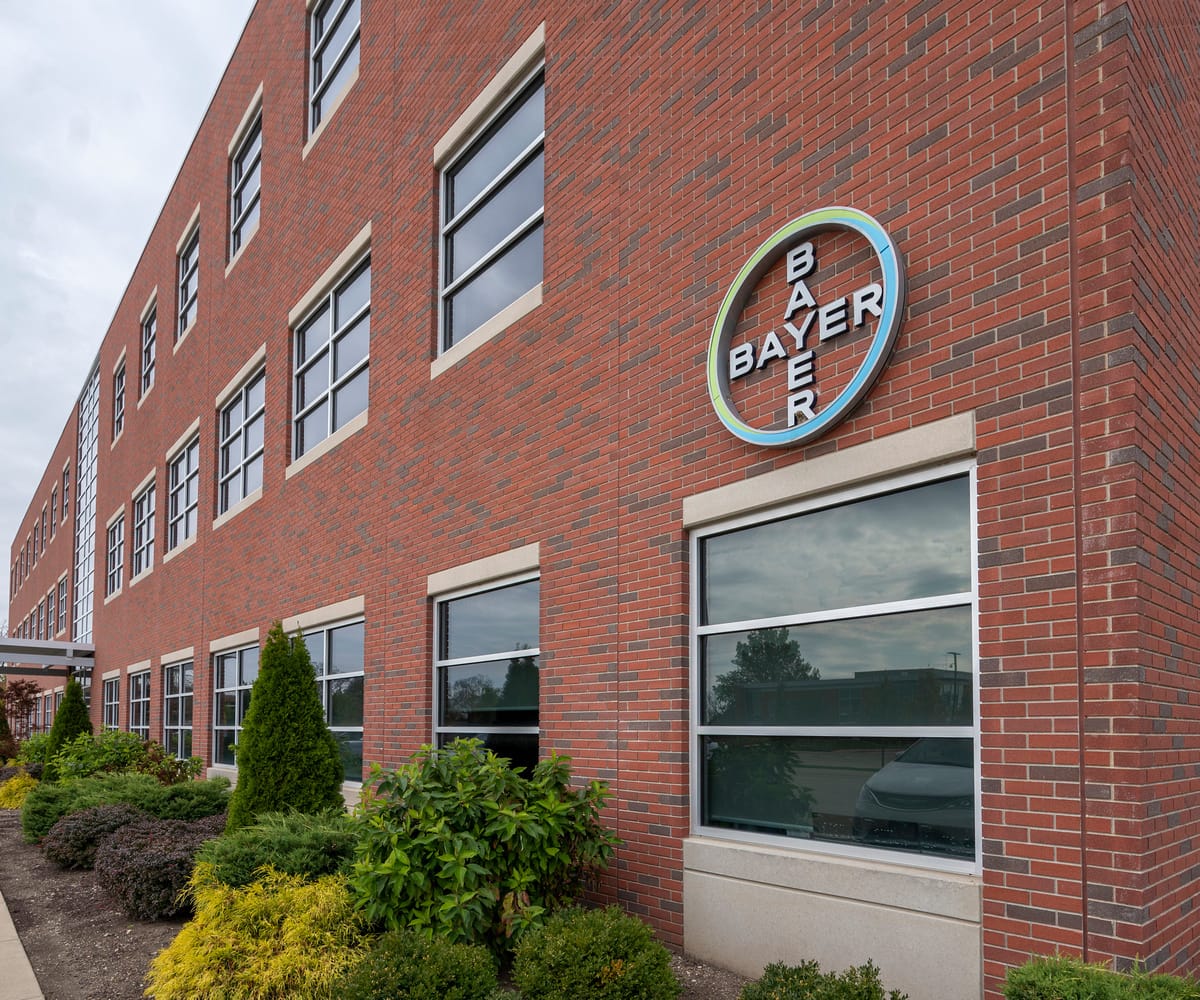
Bayer promises to suspend ‘unfair provisions’ in seed contracts for several years, Trump administration announces
By Sky Chadde, Investigate Midwest
Bayer has agreed to suspend for seven years pillars of its loyalty programs, which Trump administration officials called “unfair provisions” that “pose a danger to competition,” the U.S. Department of Justice announced last Wednesday.
The agreement relates to how Bayer sells the seeds it produces through years of research and development. Bayer sells corn and soybean seeds to middlemen who then sell to farmers. To maintain the middlemen’s loyalty, Bayer implemented incentives that prevented resellers from seeking out potentially cheaper alternatives, according to the DOJ.
Loyalty programs in the chemical and seed industries have led to higher prices for farmers, federal authorities have said.
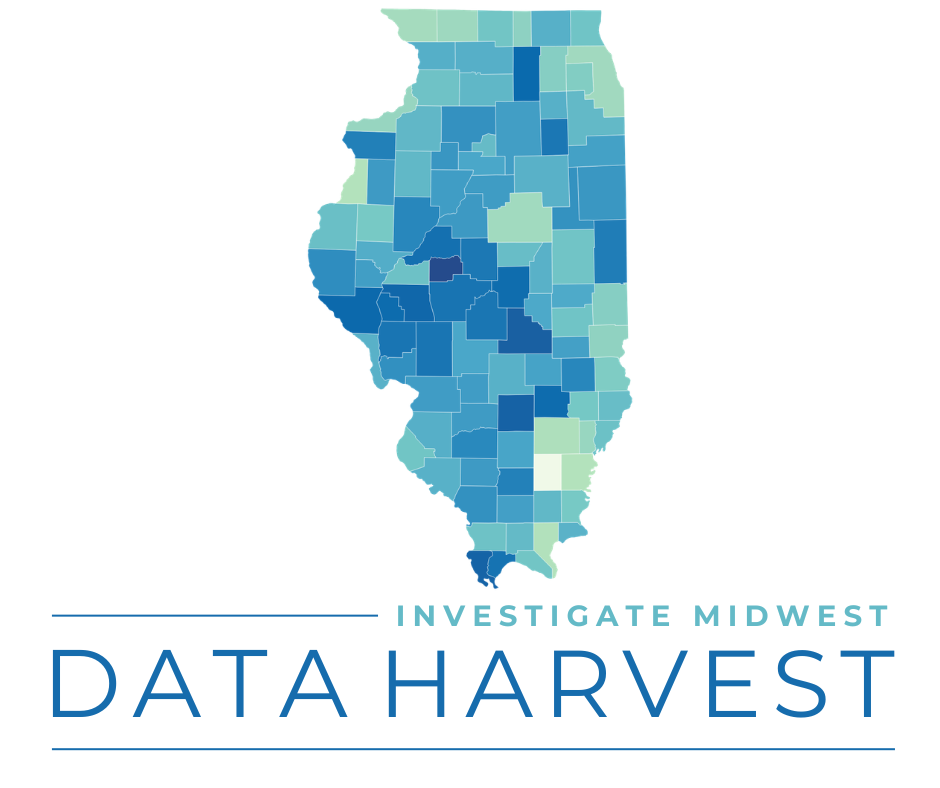
DATA HARVEST: In Illinois, cancer and pesticide rates typically rise together
By Ben Felder, Investigate Midwest
Three-fourths of Illinois counties have cancer rates higher than the national average. Those counties also have an average pesticide use rate nearly 25% higher than the state’s other counties.
This finding, based on an analysis of data from both the U.S. Geological Survey and the National Cancer Institute, is in line with national figures.
Of the 500 counties nationwide with the highest pesticide and herbicide use per square mile, 60% of those counties also had cancer rates higher than the national average of 460 cases per 100,000 people, according to a recent Investigate Midwest report in partnership with the Pulitzer Center’s StoryReach U.S. Fellowship and the Fund for Investigative Journalism.
In Illinois, the counties with the highest cancer rates are most often in the central part of the state, a high crop-growing region where pesticide and herbicide use is highest.
ICYMI: A shift in stance on farmland ownership
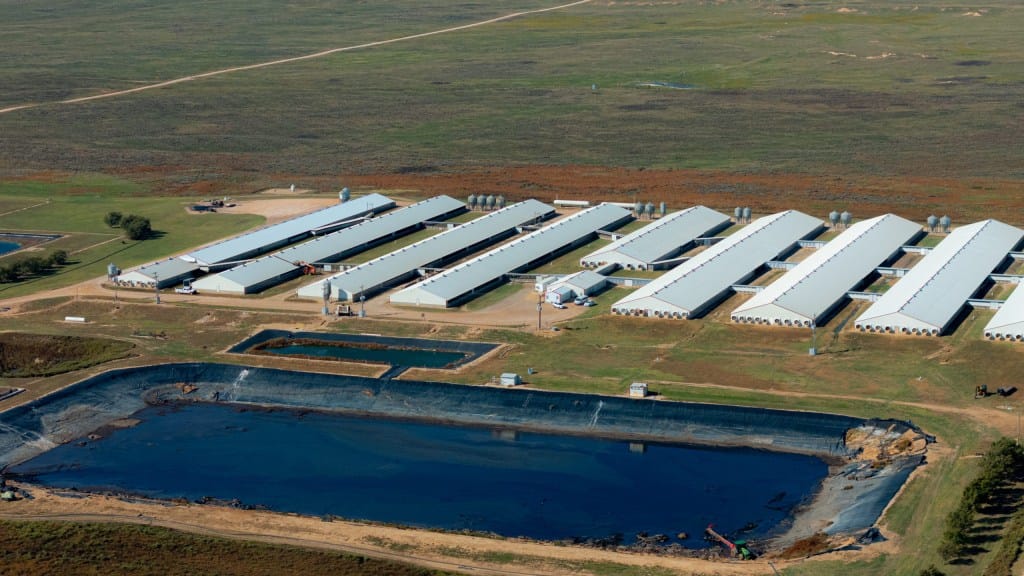
In December, Investigate Midwest reported on how Oklahoma’s ban on Chinese-owned farmland included an exception for Smithfield Foods, the Chinese-owned pork giant.
The story is worth revisiting this week after President Trump defended some Chinese farmland purchases, a notable shift from last summer when his administration promoted a "National Farm Security Action Plan" aimed at limiting Chinese influence over U.S. farmland and agriculture.
News from trusted media partners
Bayer’s proposed settlement violates the Constitution, new legal filing claims, The New Lede