From the first half of 2026 to what comes next
The first half of 2026 gave us plenty to investigate.
We documented how immigration enforcement is reshaping the ag workforce, followed growing financial pressure on farmers, dug into consolidation in the cattle industry and used public records to scrutinize some of the biggest companies influencing rural communities.
And some of that work traveled far beyond our newsroom.
Our investigation into pesticide use and cancer risk has been, so far, our most-read reporting of the year. It was republished across the country and prompted conversations with researchers, farmers, physicians and people living in the communities reflected in the data. We brought some of those voices together for a public panel. We mailed postcards to residents in Hardin and Montgomery counties (two “cancer cluster” communities at the heart of the investigation), sharing our data findings, cancer resources, and information about the reporting to reach people beyond our usual audience.
We also held listening sessions with farmers and community leaders to help shape what we investigate next.
This is all the kind of impact we’ve been documenting more intentionally this year: not only how many people read a story, but where it goes after publication, who uses it, what conversations it starts and what we learn from the people we serve.
We’re putting together a closer look at these first six months of 2026, including the investigations, data reporting, community engagement, republication and recognition that helped extend the reach of our work.
And those efforts are helping shape where we go next.
As we head into the second half of the year, our reporters are digging deeper into topics like:
- health insurance options available to farmers;
- emerging legal fights over the products farmers rely on;
- how the cattle industry is adapting to a shrinking herd and what those changes could mean for independent producers and the future of the industry.
We’re also continuing to track the effects of federal immigration, trade and agriculture policy.
There’s much more to come. We’ll keep following the story wherever the reporting leads.
— Lauren Cross, assistant editor & audience manager
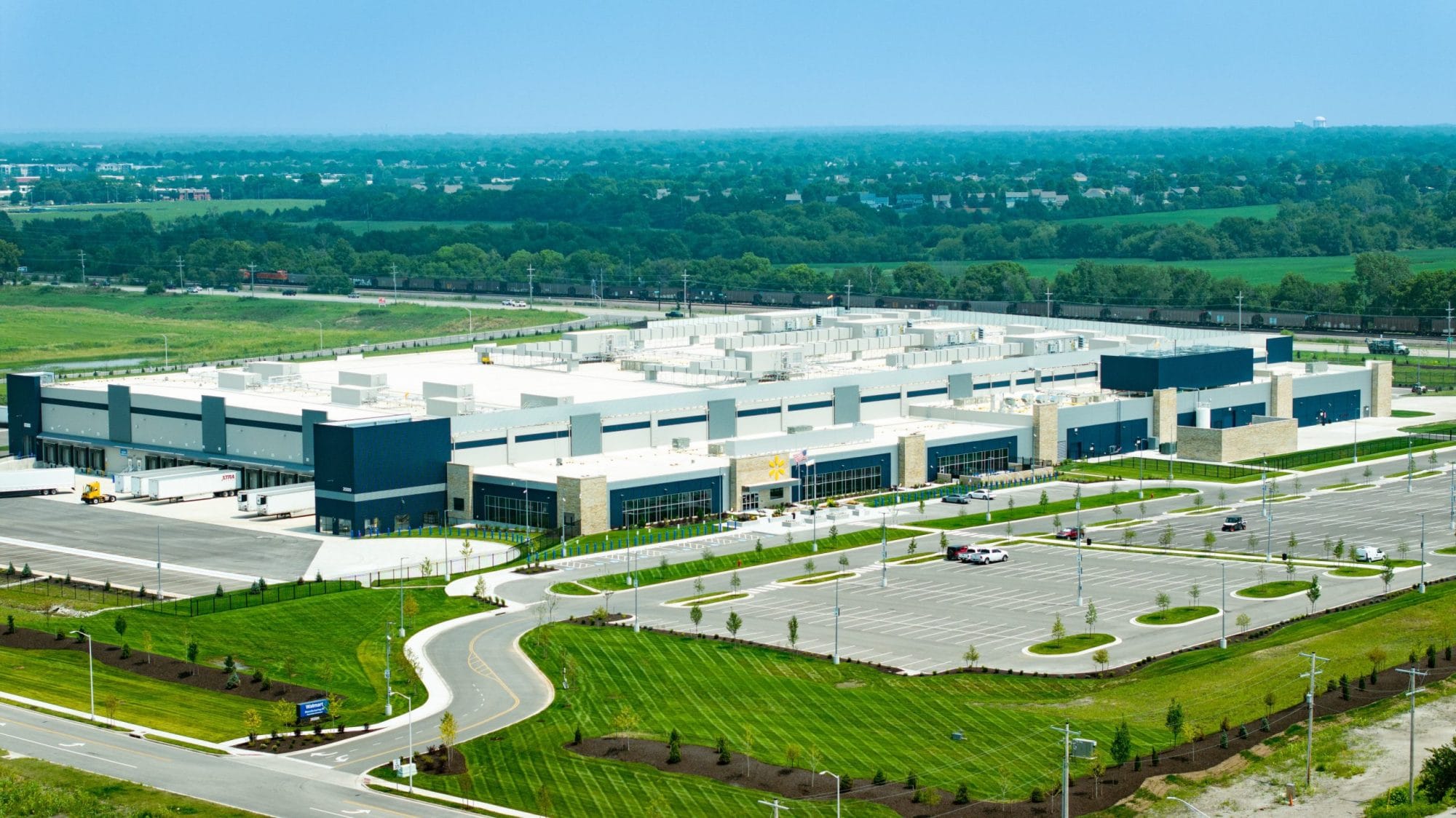
Illinois pesticide fees meant for oversight are funding broader state operations
By Katie Ratke and Lillie Salas, CU-CitizenAccess
Illinois collected $9.06 million from pesticide registration fees in fiscal year 2025 to support enforcement and education programs related to oversight of pesticide applicators.
But state spending records indicate that much of that money, which is supposed to fund educational programs and enforcement, may not be directly funding what it was intended to.
In fiscal year 2025, the Illinois Department of Agriculture spent $4.7 million — nearly three-quarters of spending from the Pesticide Control fund — on personnel costs such as salaries, retirement and employee benefits rather than the enforcement or education activities defined in the Illinois Pesticide Act.
With concerns growing over the effects of increased pesticide usage, the state department has repeatedly claimed its resources are strained to regulate the growing pesticide industry.
The department said in a statement to CU-CitizenAccess.org it has requested increases to the Pesticide Control fund budget in the last several years to help the department “support operational costs for staff and to carry out programs and mandates outlined by the Illinois Pesticide Act as well as upgrade the licensing and inspection systems used.”
However, the department did not return multiple requests over the past four months to verify its staffing for the current fiscal year and did not respond to questions about its enforcement, funding and expenditures. Lori Harlan, public information officer for the department, did not respond to follow-up questions or return calls from CU-CitizenAccess.
DATA HARVEST: Illinois, Midwest saw large reduction in conservation staff in 2025, study shows
By Nikoel Hytrek, Investigate Midwest
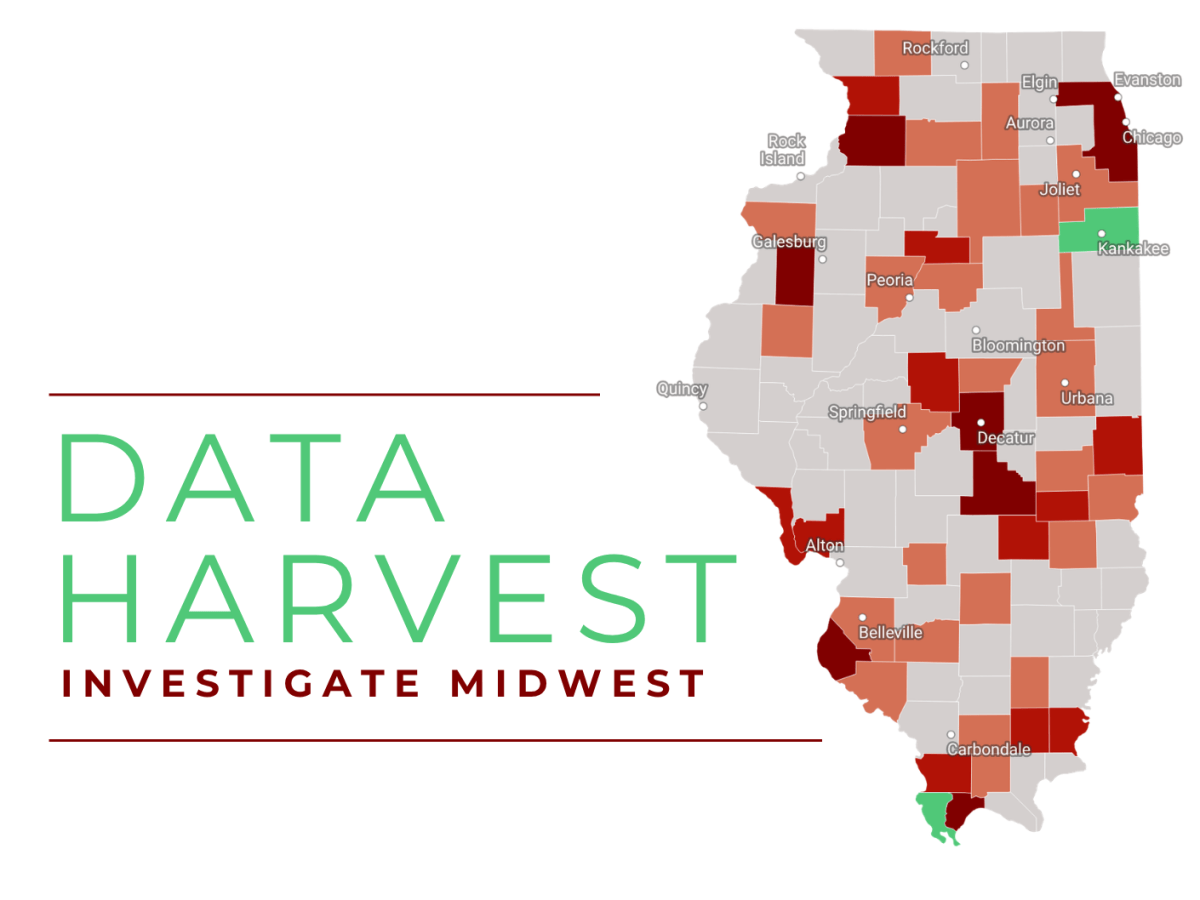
Illinois producers wanting to pursue conservation projects have fewer resources this year with almost half of Illinois counties having lost federal conservation staff in 2025.
Data published in June by the National Sustainable Agriculture Coalition shows Illinois had 77 fewer Natural Resources Conservation Service staff in January 2026 compared to January 2025’s staffing levels.
The counties with the most personnel losses were Champaign, Williamson, Macon, Shelby and Whiteside. Pulaski, Cook, Warren and Monroe counties fared worse, losing all NRCS staff.
The cuts to NRCS staff — and other direct, producer support staff — are a result of department reorganizations and workforce cuts at the U.S. Department of Agriculture under President Trump.

ICYMI: Dust storms growing in numbers and severity
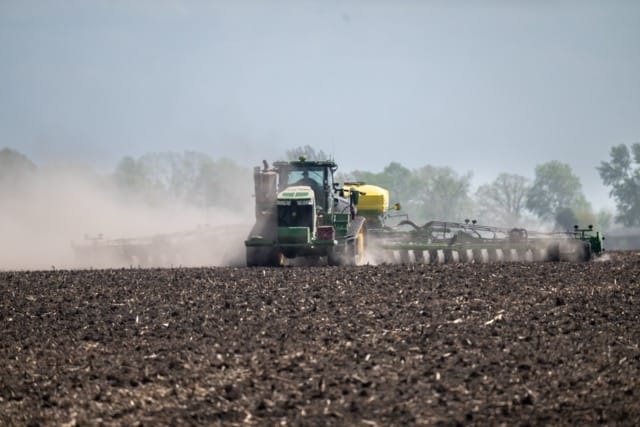
Dust storms across the U.S. have doubled since 2015 due to exposed and depleted cropland and rising temperatures. This June 2025 Data Harvest examines how Midwestern states like Illinois are facing ecological disasters once reserved for the Southwest, and how such events are increasing.
News from trusted media partners
As family farms decline, more Michigan farmers try to preserve their land, Grist